Is Anesthesia Actually Riskier for Senior Pets? What the Evidence Actually Shows
By Leonardo Fonseca · 2026-09-21
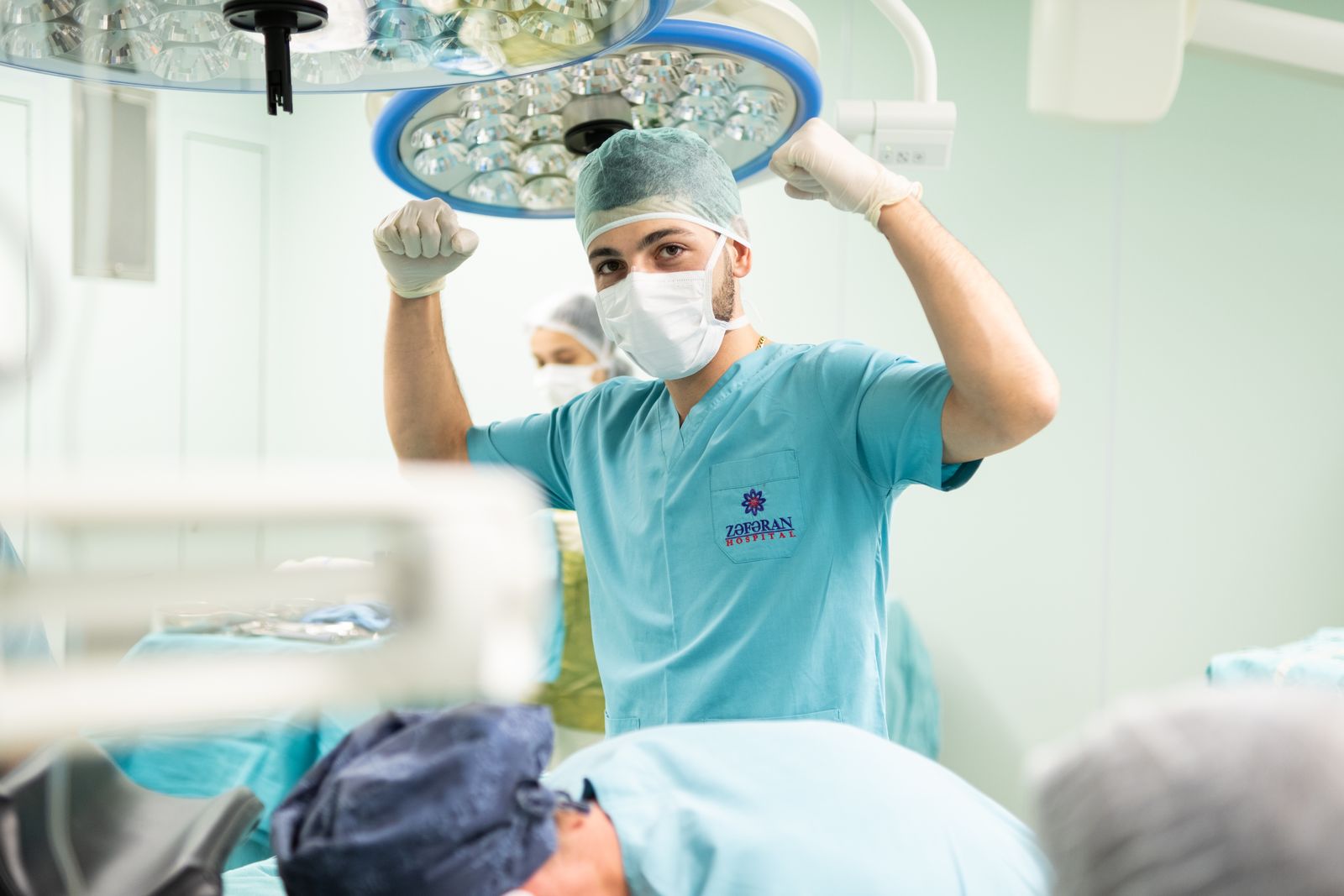
"He's too old for anesthesia" is something I hear regularly from customers, usually said about a dog or cat who needs a dental cleaning, a mass removal, or another procedure that keeps getting postponed out of that concern. It's a well-intentioned instinct, but it conflates two things that aren't the same: chronological age and actual anesthetic risk.
What actually drives anesthetic risk
Modern veterinary anesthesia protocols are risk-stratified based on organ function and overall health status, not age as a standalone number. A 12-year-old dog with normal kidney and liver values, a clean cardiac exam, and no other significant findings is a meaningfully lower anesthetic risk than a 7-year-old dog with undiagnosed heart disease. Age correlates with risk mainly because age correlates with a higher likelihood of underlying conditions; it's not a direct cause of risk on its own. This distinction matters because it changes the right question from "is she too old?" to "what does her actual health status show?"
What a proper pre-anesthetic workup actually screens for
This is the part that meaningfully changes outcomes, and it's worth understanding rather than taking on faith:
- Bloodwork: kidney and liver values specifically, since these organs process anesthetic drugs; abnormal values change drug choice and dosing, not necessarily whether to proceed at all
- Physical exam with cardiac auscultation: catches heart murmurs or arrhythmias that would change the anesthetic plan
- Chest X-rays or an EKG, when indicated: not routine for every senior pet, but appropriate when the exam or history suggests cardiac or respiratory concern
A senior pet that clears this screening is being anesthetized with a plan tailored to their actual physiology (different drug choices, closer monitoring, adjusted dosing), not the same generic protocol used for a young, healthy pet. That tailoring is exactly what reduces the risk that owners are (reasonably) worried about.
The risk of not proceeding is often underweighted
This is the comparison that gets skipped in the "too old for anesthesia" instinct. Delaying a necessary dental cleaning leaves ongoing periodontal infection untreated. Delaying removal of a mass that could be malignant allows more time for potential spread. In many of the cases vets describe, the risk of continuing to delay the procedure is higher than the risk of a properly screened anesthetic event, but because anesthesia risk feels more immediate and visible, it gets weighted more heavily than the quieter, ongoing risk of the untreated condition.
Where extra caution genuinely is warranted
This isn't a blanket "anesthesia is always fine" message. A pet with diagnosed, unstable heart disease, significant kidney compromise, or other serious findings on pre-anesthetic screening is a different conversation, and in those cases the anesthetic plan needs real adjustment or the procedure needs to be weighed more carefully against its urgency. The point isn't that risk doesn't exist; it's that the risk should be assessed from actual screening results, not from age alone.
What I tell customers
Ask for the pre-anesthetic workup results specifically, and ask how the anesthetic plan is being adjusted based on those results, not just whether anesthesia is "safe" in the abstract. That's a more useful conversation than age-based hesitation alone, and it's the one that actually informs the decision.