Caring for dogs and cats in their senior years
Practical guidance on mobility, nutrition, comfort and cognitive health for aging pets, checked against veterinary sources that are linked in every article.

Just published
New this week
Articles published for the first time in the last seven days.
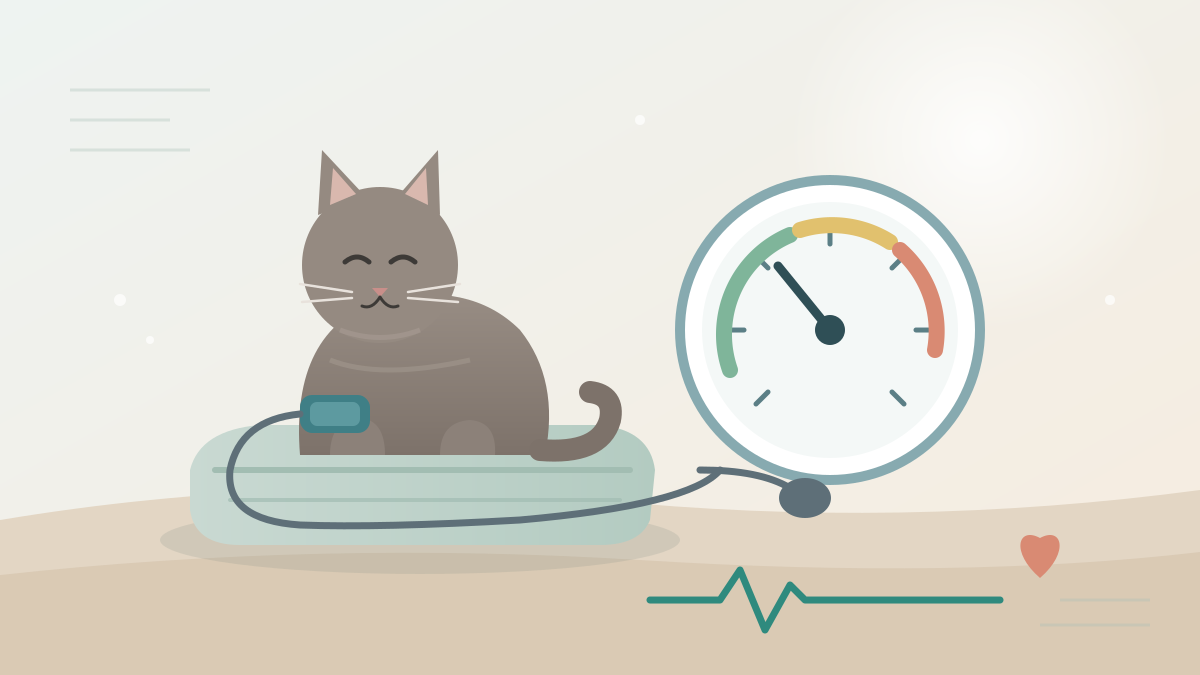
High Blood Pressure in Senior Cats: Who Needs a Check and What the Numbers Mean
Most cats with high blood pressure look perfectly well until the eyes, kidneys or brain are affected. Which older cats should be checked, how a calm reading is taken, and which signs at home cannot wait.
New
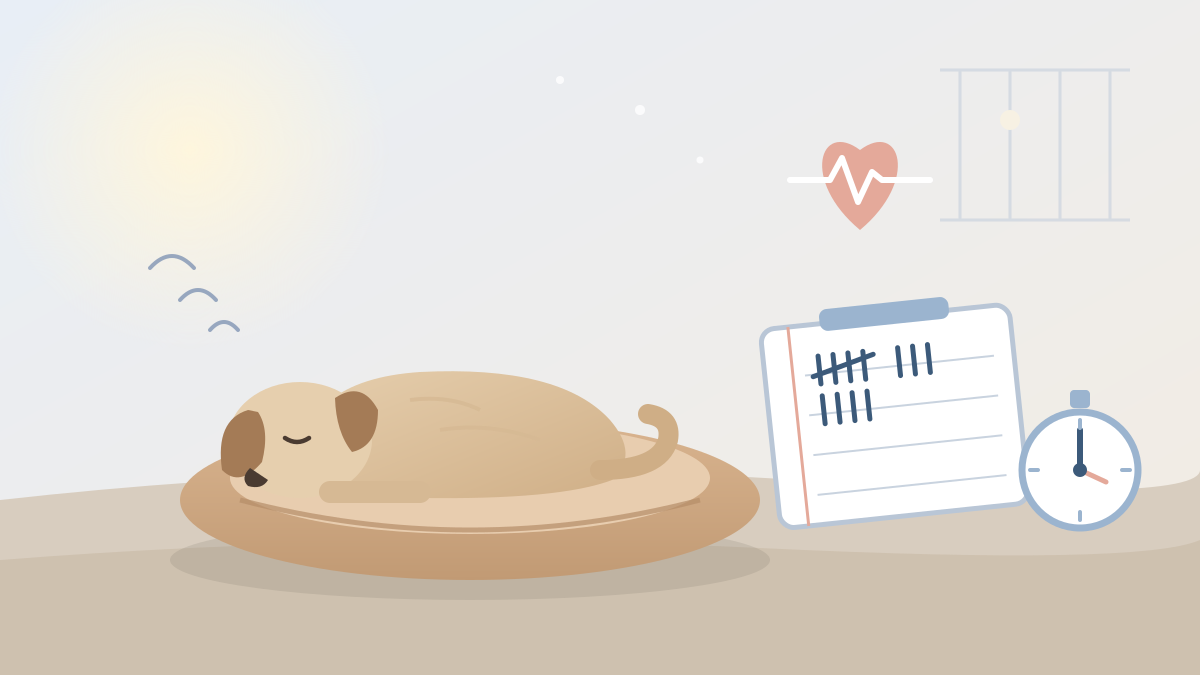
Mitral Valve Disease in Small Senior Dogs: From a New Murmur to Counting Breaths at Home
A heart murmur in an older small dog is usually a leaking mitral valve. What each stage of the disease means, why a sleeping breath count is the best early warning, and when fast breathing is an emergency.
New
Joint pain, arthritis, exercise and the home changes that keep an older dog or cat moving comfortably.
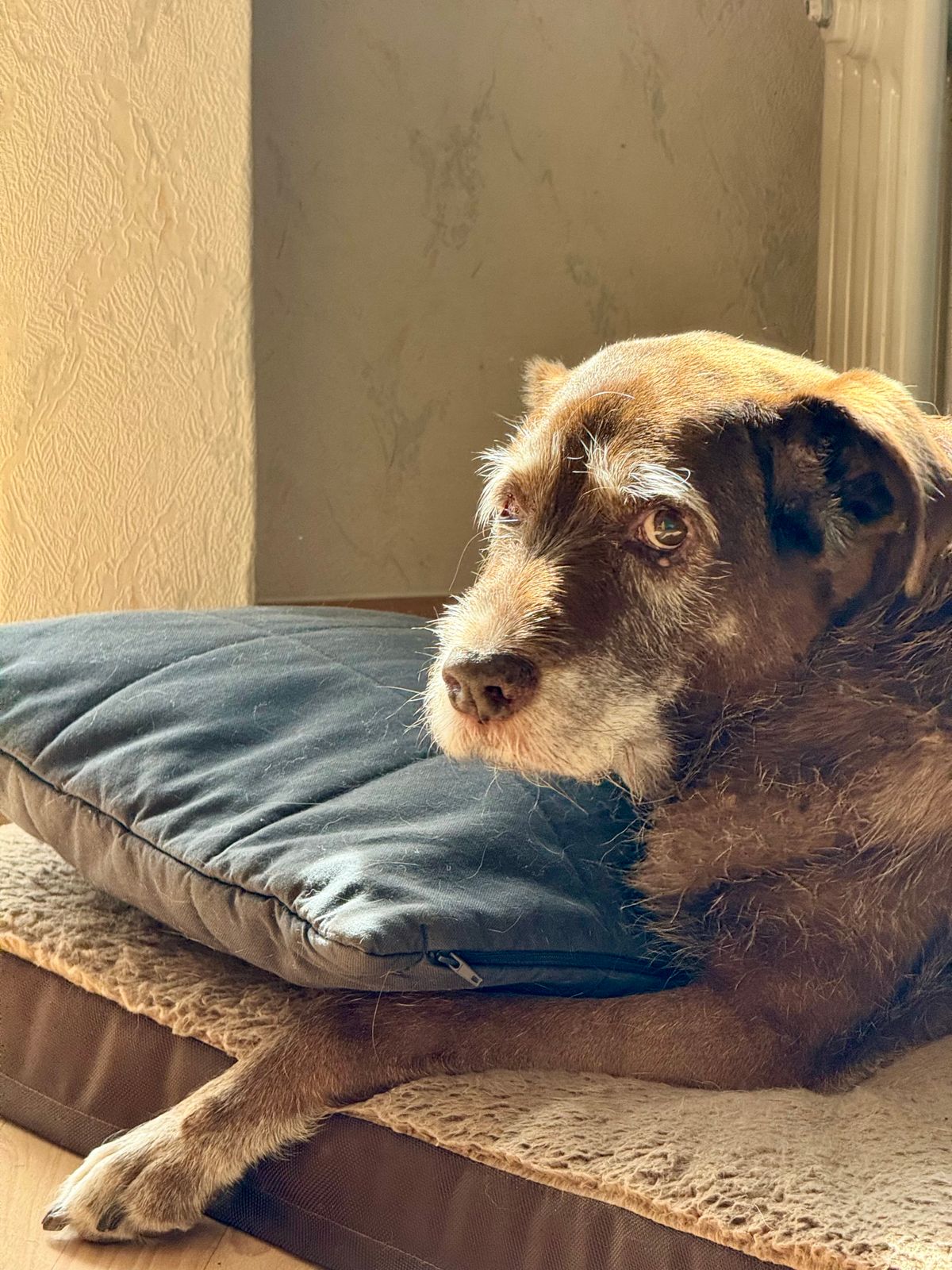
Choosing a Bed for a Senior Dog: What Actually Matters
The word "orthopedic" is printed on beds that are little more than a thin cushion. Here's how to tell a bed that helps an older dog from one that just looks the part.
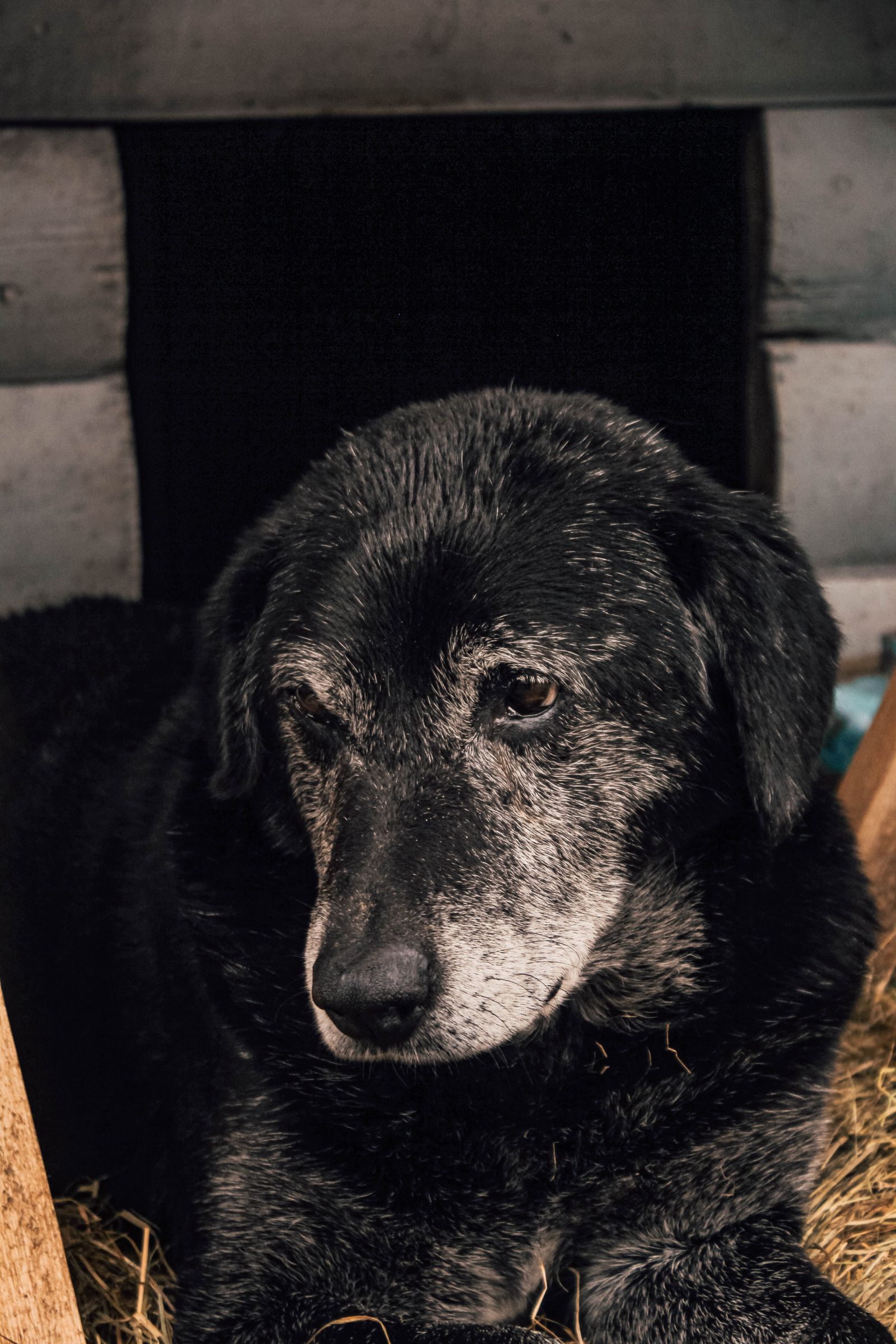
Signs Your Senior Dog Is in Joint Pain (And What Actually Helps)
Most owners catch joint pain months after it starts, because dogs hide it well. Here's what to watch for and how to separate real relief from marketing.
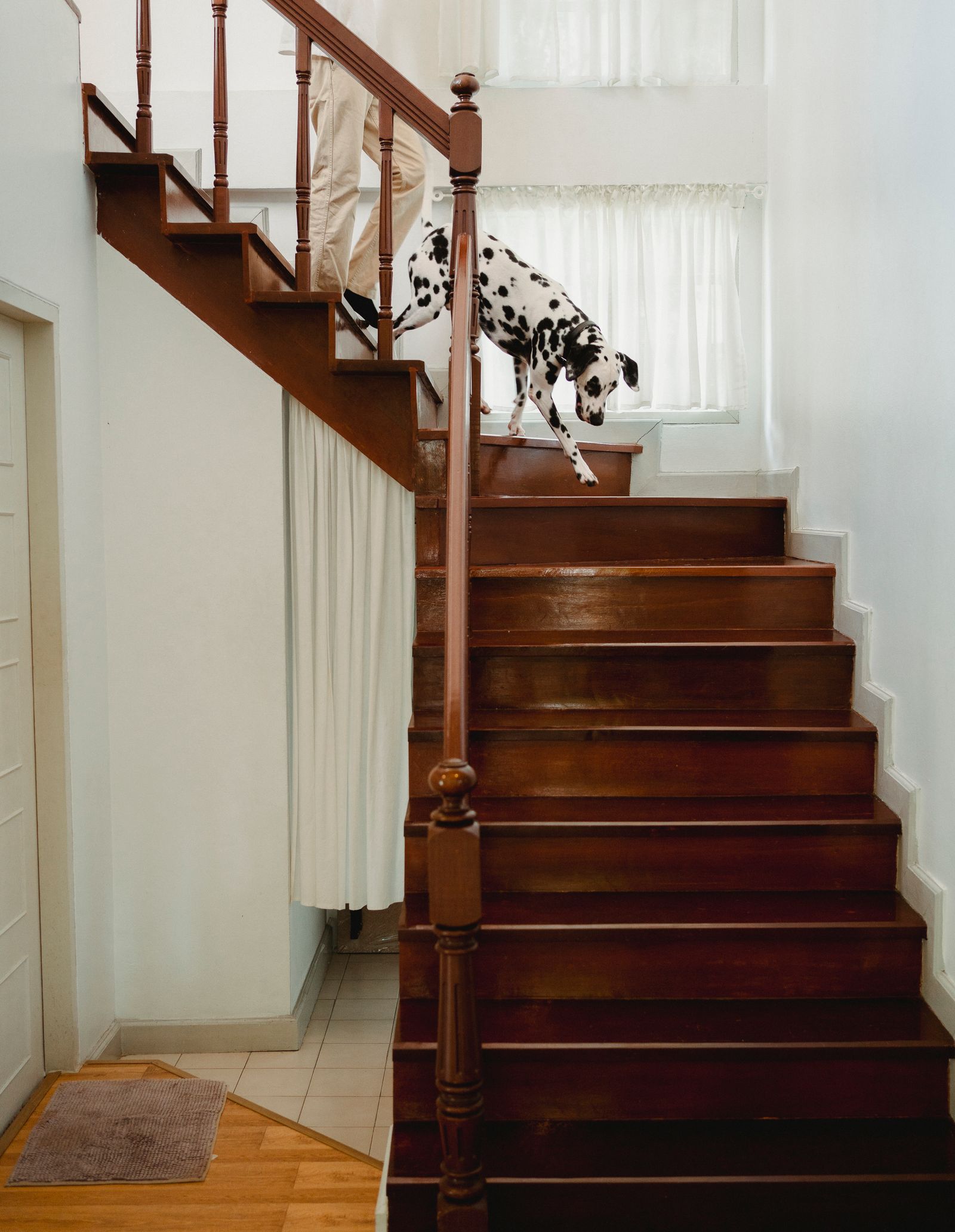
Setting Up a Senior-Friendly Home for a Dog With Mobility Loss
Ramps and rugs get mentioned everywhere, but most home setups still miss the changes that matter most. Here's what actually reduces daily strain.

How Much Exercise Does a Senior Dog Actually Need? (It's Not "Less Is Always Better")
Cutting activity down uniformly as dogs age is common advice, and often the wrong move. Here's how to think about exercise by condition, not just by age.

Arthritis Pain Management for Senior Dogs: Comparing the Real Options
Supplements, prescription medication, physical therapy: owners usually try one and hope it's enough. Here's how the options actually compare and work together.

Nail and Paw Care for Less Active Senior Dogs
A dog that walked itself down on rough pavement for years starts needing real nail care once activity drops. It's a small thing that causes real pain if ignored.
Feeding, hydration, weight changes and supplements for dogs and cats in their senior years.

How to Help a Senior Pet Drink More Water
Hydration matters more as pets age, but most owners have no idea how much their pet actually drinks. Here's how to encourage drinking and when a change in thirst is worth a call to the vet.
What to Actually Feed a Senior Cat With Early Kidney Concerns
Kidney disease is common in older cats, and diet advice online is often outdated or oversimplified. Here's what the food conversation actually looks like in practice.
Why Weight Management Matters More in Senior Dogs (And Why It's Easy to Miss)
A few extra pounds looks harmless on an older dog. In practice, it's one of the highest-leverage things you can manage, and one of the easiest to overlook.
Why Senior Cats Lose Weight (It's Often the Opposite Problem You'd Expect)
Owners watch for weight gain in aging pets. In senior cats, unexplained weight loss while eating normally, or eating more, is often the bigger red flag.

Senior Pet Supplements: What's Actually Worth Buying
Senior pet supplements fill whole shelves, and most of it overlaps or does very little. Here's how to think about which ones actually earn a spot in the routine.
Coat, skin, nails and teeth: the routine care that changes as a pet ages, and the signs worth a vet visit.
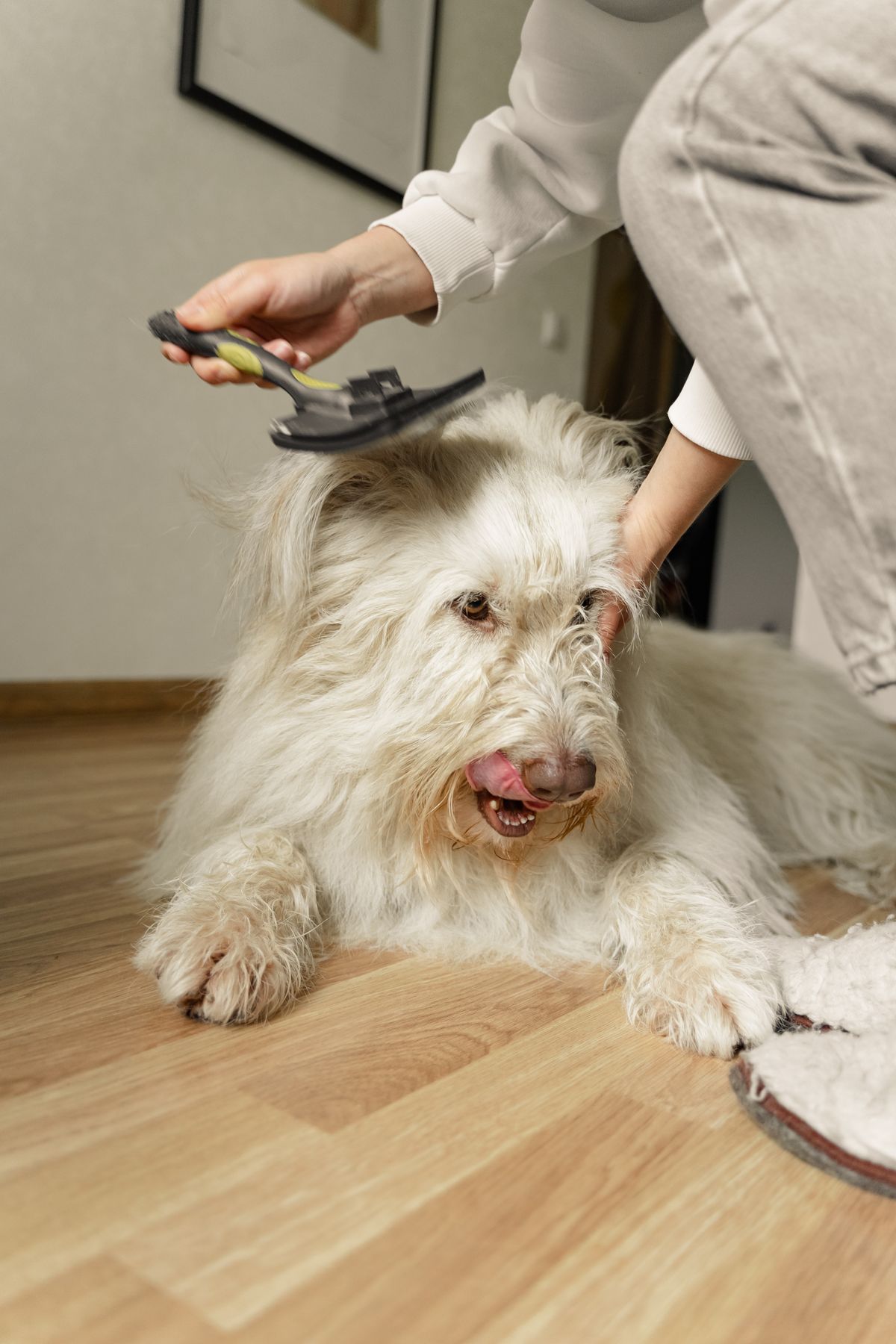
Grooming a Senior Dog: How to Adjust the Routine as Your Dog Ages
The grooming routine that worked at four years old can be exhausting or painful at twelve. Here's how to adapt it at home and what to ask your groomer.

Dental Disease in Senior Pets: Why It's Riskier Than People Assume
Bad breath gets dismissed as a cosmetic issue. In senior pets, it's often a sign of a problem that affects far more than the mouth.
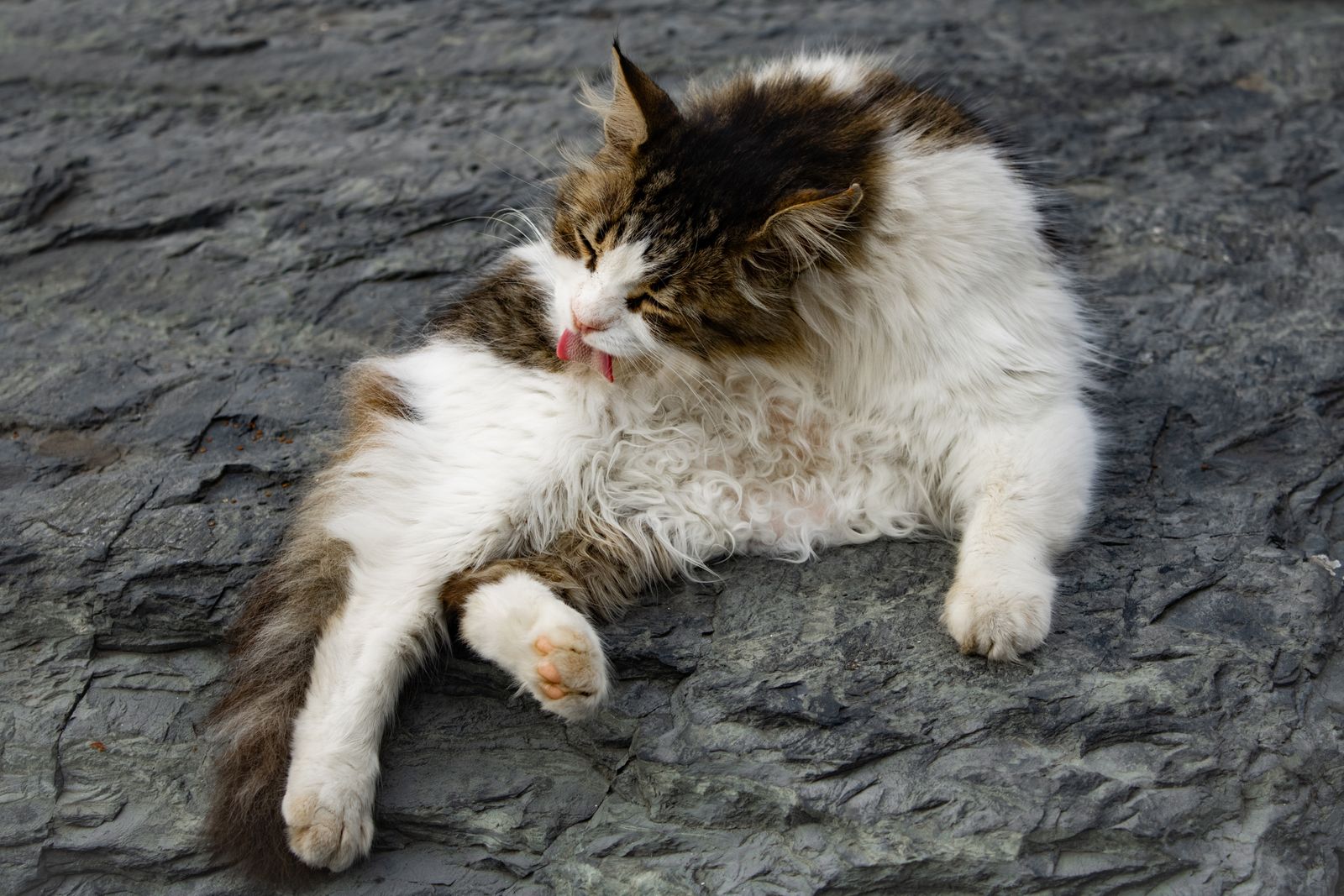
Why Senior Cats Stop Grooming Themselves (And What That Signals)
A cat's coat getting greasy or matted isn't vanity: self-grooming decline is one of the more reliable early signals that something else is going on.

A Realistic At-Home Dental Routine for Senior Dogs and Cats
Most owners either do nothing at home or expect brushing alone to solve dental problems that already exist. Here's what a home routine can and can't do.
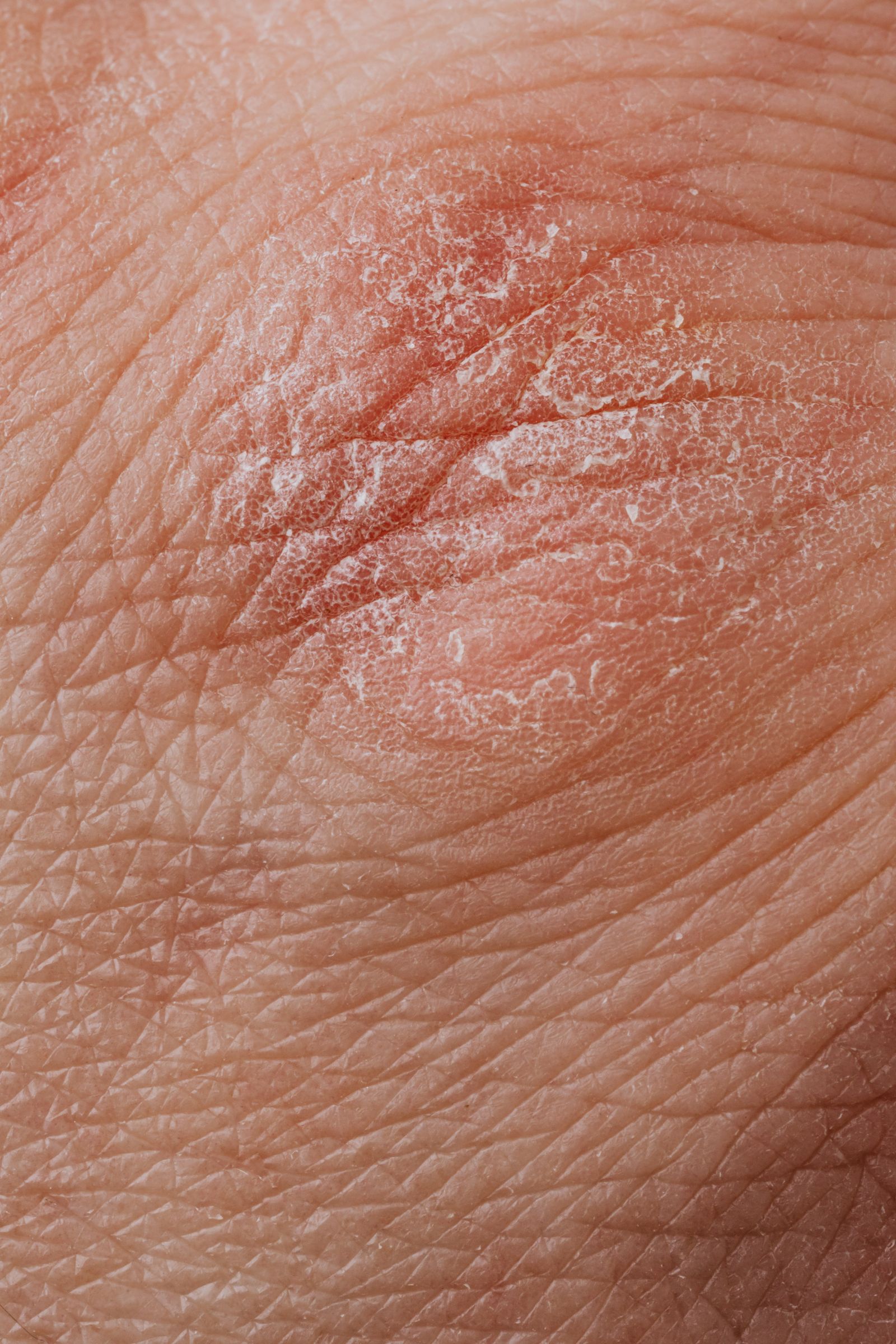
Skin Lumps and Bumps in Senior Pets: What's Usually Fine and What Isn't
Finding a new lump on an aging pet is alarming, but most turn out to be harmless. Here's how to tell the difference without guessing.

Tooth Resorption in Senior Cats: A Dental Problem Specific to Cats
Cats develop a dental condition that's different from the gum disease dogs typically get, and it's often missed because it doesn't look the way owners expect.
Cognitive decline, vision loss and hearing loss in senior pets, and how to adapt daily life around them.
Cognitive Decline in Senior Dogs: What's Normal Aging vs. What Isn't
Some behavior changes in older dogs are ordinary aging. Others are early signs of canine cognitive dysfunction. The difference matters for how you respond.

Vision Loss in Senior Dogs and Cats: What to Change at Home
Gradual vision loss is easy to miss because pets adapt so well, until something in the home changes and they suddenly can't cope.
Hearing Loss in Senior Dogs and Cats: Signs Owners Usually Miss
A pet that stops responding to its name isn't necessarily being stubborn. Hearing loss is gradual, easy to miss, and changes how you should interact day to day.
Cognitive Decline in Senior Cats: A Less-Talked-About Version of a Familiar Problem
Cognitive decline gets discussed constantly for dogs and rarely for cats, even though cats develop a comparable condition that looks different day to day.
Litter boxes, incontinence, temperature, household changes and time away: day-to-day life with an aging pet.
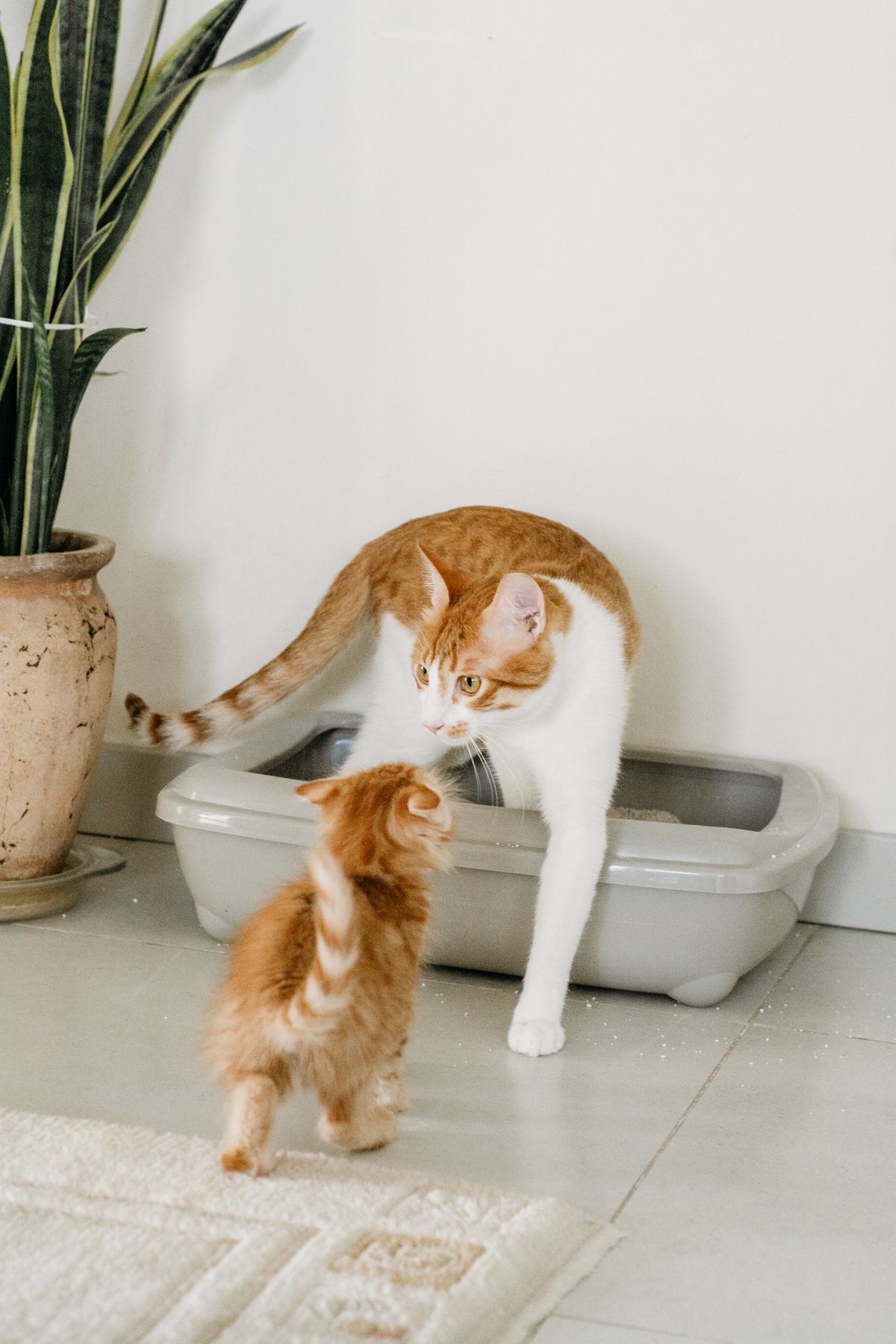
Setting Up the Litter Box for a Senior Cat
When an older cat starts going outside the box, the box itself is often part of the problem. Here's how to set one up for a cat with stiff joints, weaker eyesight or a slower pace.

Leaving a Senior Pet With a Sitter or at a Boarding Facility
Older pets cope with change less easily, and their care has more moving parts. Here's how to choose between a sitter and boarding, and what to prepare before you leave.

Managing Incontinence in Senior Dogs: What's Actually Going On
A house-trained dog leaking urine isn't being defiant. It's usually one of a few specific, often treatable causes that owners rarely consider first.

Why Senior Pets Struggle More With Heat and Cold
A dog or cat that handled temperature swings fine for years can suddenly struggle with both heat and cold in its senior years, for reasons owners rarely connect.

Introducing a New Pet or Big Change to a Senior Pet's Household
A senior pet that's always been easygoing can react badly to a new pet, a move, or a schedule change. Age changes how much flexibility a pet actually has left.
How often to see the vet, what counts as an emergency, anesthesia risk and judging quality of life.
High Blood Pressure in Senior Cats: Who Needs a Check and What the Numbers Mean
Most cats with high blood pressure look perfectly well until the eyes, kidneys or brain are affected. Which older cats should be checked, how a calm reading is taken, and which signs at home cannot wait.
Mitral Valve Disease in Small Senior Dogs: From a New Murmur to Counting Breaths at Home
A heart murmur in an older small dog is usually a leaking mitral valve. What each stage of the disease means, why a sleeping breath count is the best early warning, and when fast breathing is an emergency.
How Often Should a Senior Dog or Cat See the Vet? (It's Not Just "Every 6 Months")
The blanket "twice a year" rule misses what actually changes in senior pet care. Here's how the real schedule should be built.
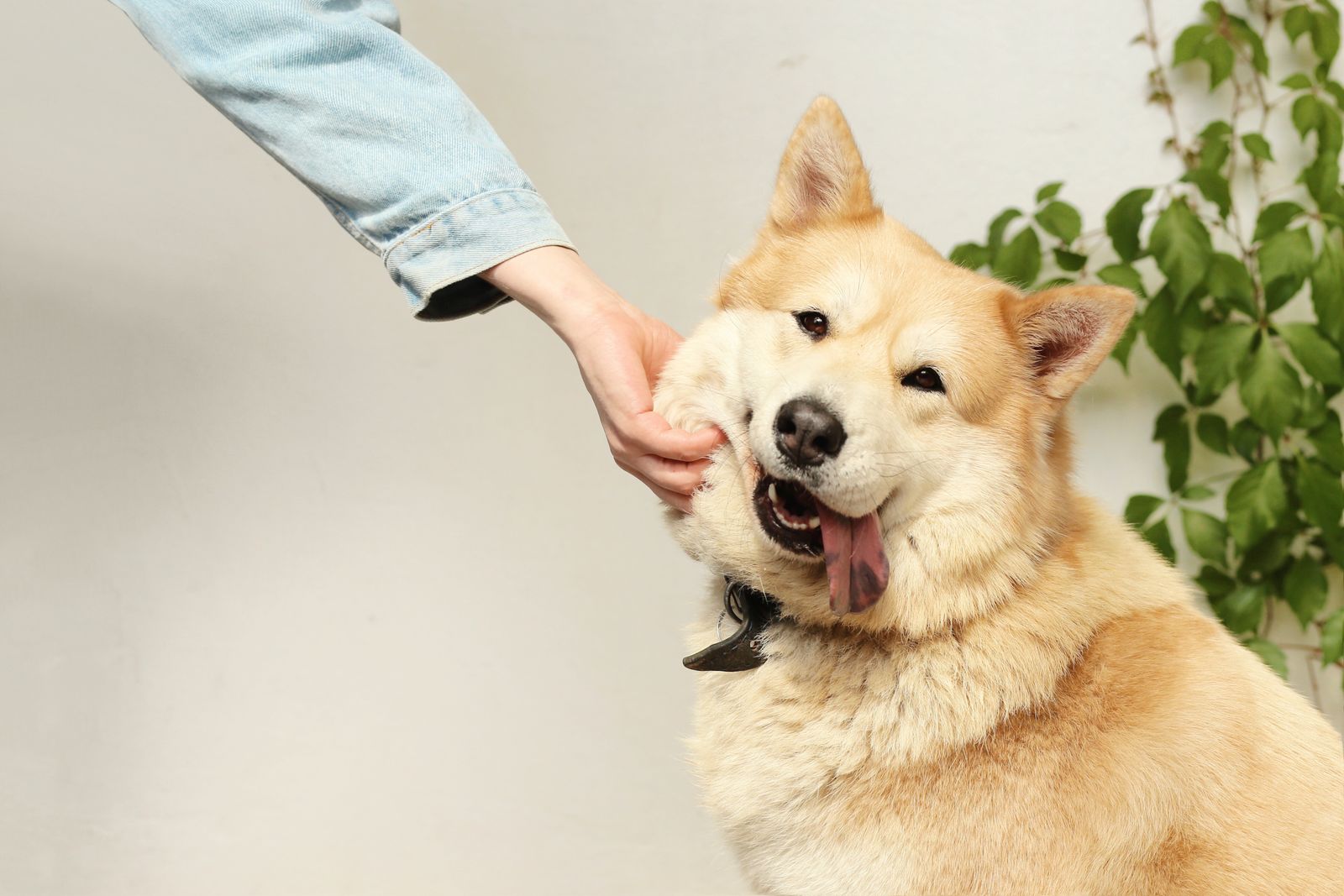
Recognizing Quality of Life Decline in an Aging Pet: A Practical Framework
This is one of the hardest judgment calls in pet ownership, and "you'll just know" isn't a real answer. Here's a more structured way to think about it.

Is Anesthesia Actually Riskier for Senior Pets? What the Evidence Actually Shows
Age gets treated as an automatic anesthesia red flag. The actual risk factor is health status, and conflating the two leads to delayed, necessary procedures.

Senior Pet Symptoms: What's an Emergency vs. What Can Wait for a Regular Visit
Knowing which symptoms need an emergency vet and which can reasonably wait for a scheduled appointment reduces both unnecessary panic and dangerous delay.