Why Weight Management Matters More in Senior Dogs (And Why It's Easy to Miss)
By Leonardo Fonseca · 2026-09-22
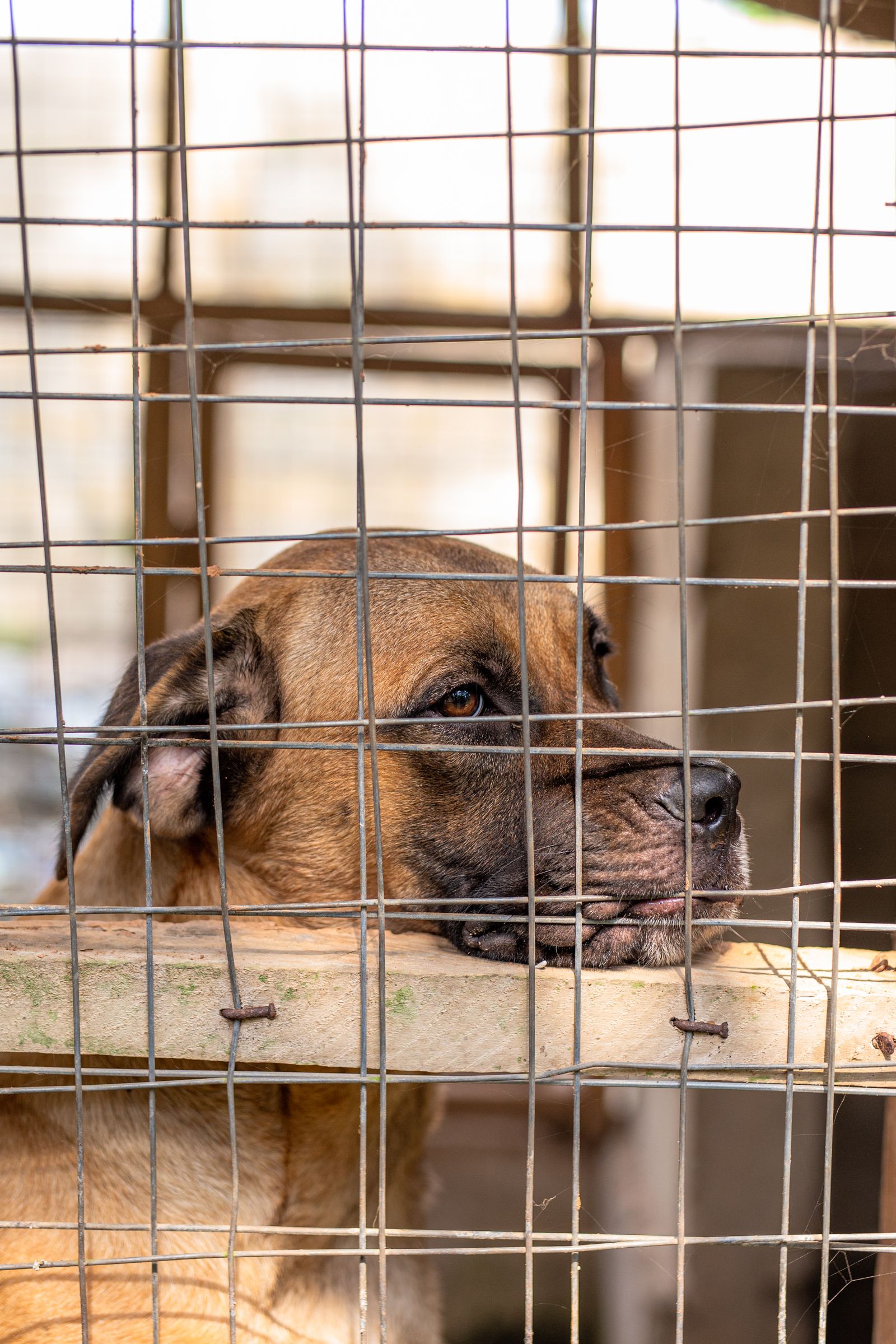
Weight creeps up slowly in senior dogs, and slow change is exactly the kind owners tend to miss. A dog doesn't gain 15% of its body weight in a week; it happens over months, while the dog still looks and acts mostly the same day to day. By the time it's visually obvious, the joints have usually been carrying that extra load for a while already.
Why a few extra pounds matters more at this age
A young, healthy dog can carry some extra weight without much consequence. A senior dog with early arthritis is a different situation: every pound of extra weight adds meaningfully more load to joints that are already compromised, and the dog has less muscle mass to compensate than it did five years earlier. The combination is why vets often treat weight as one of the first things to address in a dog newly diagnosed with joint pain, not a secondary concern to deal with later.
Why it gets missed at the shop and at home
Customers who bring the same dog in for food every few weeks tend not to notice gradual weight gain, the same way I don't notice a customer's hair growing between visits. A body condition check is more reliable than the scale number alone: can you feel the ribs with light pressure, is there a visible waist when looking down at the dog, does the belly tuck up from the side? A dog can gain real weight and still fall in a "normal" range on a generic weight chart that doesn't account for breed and frame.
The part owners get backwards
The instinct is usually to cut portions on the current food. That helps some, but it's often not enough on its own, because senior maintenance food is typically calorie-dense relative to how much a less active senior dog actually needs. A vet-guided switch to a weight-management or senior-specific formula, combined with a modest portion cut, tends to work better than just serving less of the same food, since it keeps protein and nutrients adequate while cutting calories specifically.
Exercise still matters, even with joint pain
Owners sometimes assume a dog with joint pain should just eat less and move less. That combination tends to make things worse, not better. Low-impact movement (flat walks, swimming when available) supports muscle mass that protects the joints, while diet does the heavier lifting on the calorie side. Cutting both food and movement at once often just means a dog that stays overweight and also loses the muscle that was helping support its joints.
What I tell customers
Get an actual body condition assessment from your vet rather than trusting a generic weight chart, especially for mixed-breed dogs. Weight is one of the few things in senior dog care you can control directly and see real results from within a few months, which is more than you can say for most of the conditions covered elsewhere on this site.