Vision Loss in Senior Dogs and Cats: What to Change at Home
By Leonardo Fonseca · 2026-09-22
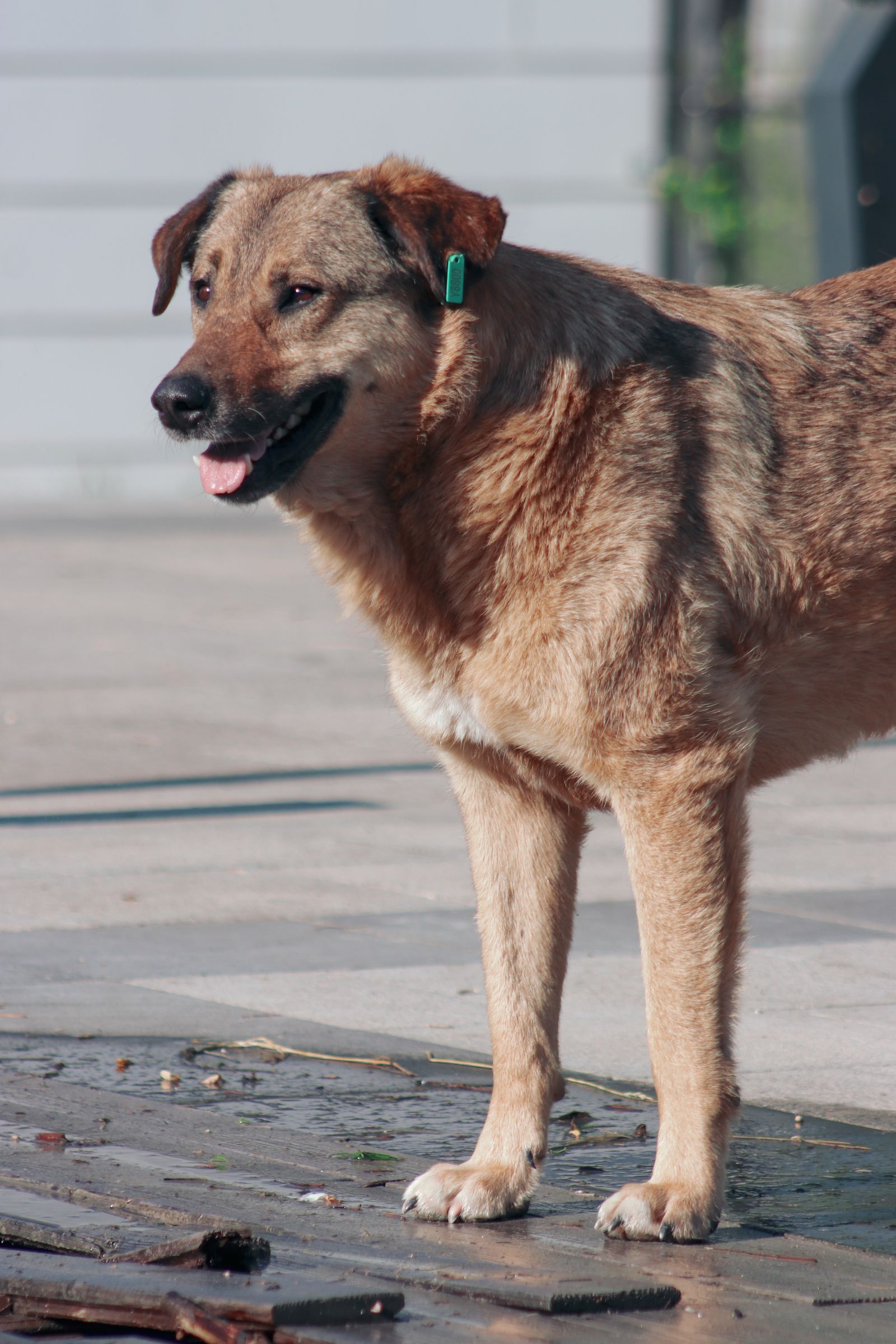
Dogs and cats compensate for vision loss so well that owners often don't notice it's happening until the environment changes: new furniture, a rearranged room, an unfamiliar house during travel. The pet that seemed perfectly normal at home suddenly looks confused and hesitant somewhere new, and that mismatch is usually the first real clue.
Why gradual vision loss gets missed
A pet losing vision slowly builds a detailed mental map of a familiar space using smell, memory, and touch, not just sight. That's why a dog can navigate its own living room confidently while missing a step it's never encountered before. Customers are often surprised to learn their pet has significant vision loss because the pet has been compensating so effectively at home that nothing looked wrong day to day.
Signs that point to vision loss specifically
Bumping into furniture that was just moved, hesitating at the top of stairs, reluctance to jump onto furniture it used to use confidently, or startling more easily when approached from the side rather than head-on are all signs worth a vet exam that includes a real eye check, not just a general physical. Cloudiness in the eye is one visible sign, but plenty of vision loss (including from conditions like early cataracts or retinal changes) isn't obviously visible just by looking at the eye.
What actually helps at home
The single most useful thing costs nothing: keep furniture layout consistent. Every rearrangement forces the pet to rebuild its mental map from scratch, and that's disproportionately hard for a pet relying on memory to compensate for reduced sight. Beyond that, a few concrete changes make a real difference: keeping stairs and drop-offs blocked or gated if vision loss is significant, using texture cues like a different rug at the top of stairs, and avoiding rearranging or adding new furniture in main walking paths.
Scent and sound become more important, not less
A pet with reduced vision leans harder on smell and hearing to navigate and feel secure. Consistent scent cues (not washing every bed or blanket at once, keeping food and water in the same spot) help maintain that mental map. Talking to the pet before approaching, especially from behind or the side, reduces the startle response that comes from being surprised by something it didn't see coming.
What I tell customers
Don't assume a pet is "just getting clumsy" with age. Clumsiness that's specific to new environments or sudden approaches points toward vision, not general aging or joint pain. A vet exam can usually tell you which it is, and the home changes that help are cheap and immediate once you know.