Senior Pet Supplements: What's Actually Worth Buying
By Leonardo Fonseca · 2026-09-22
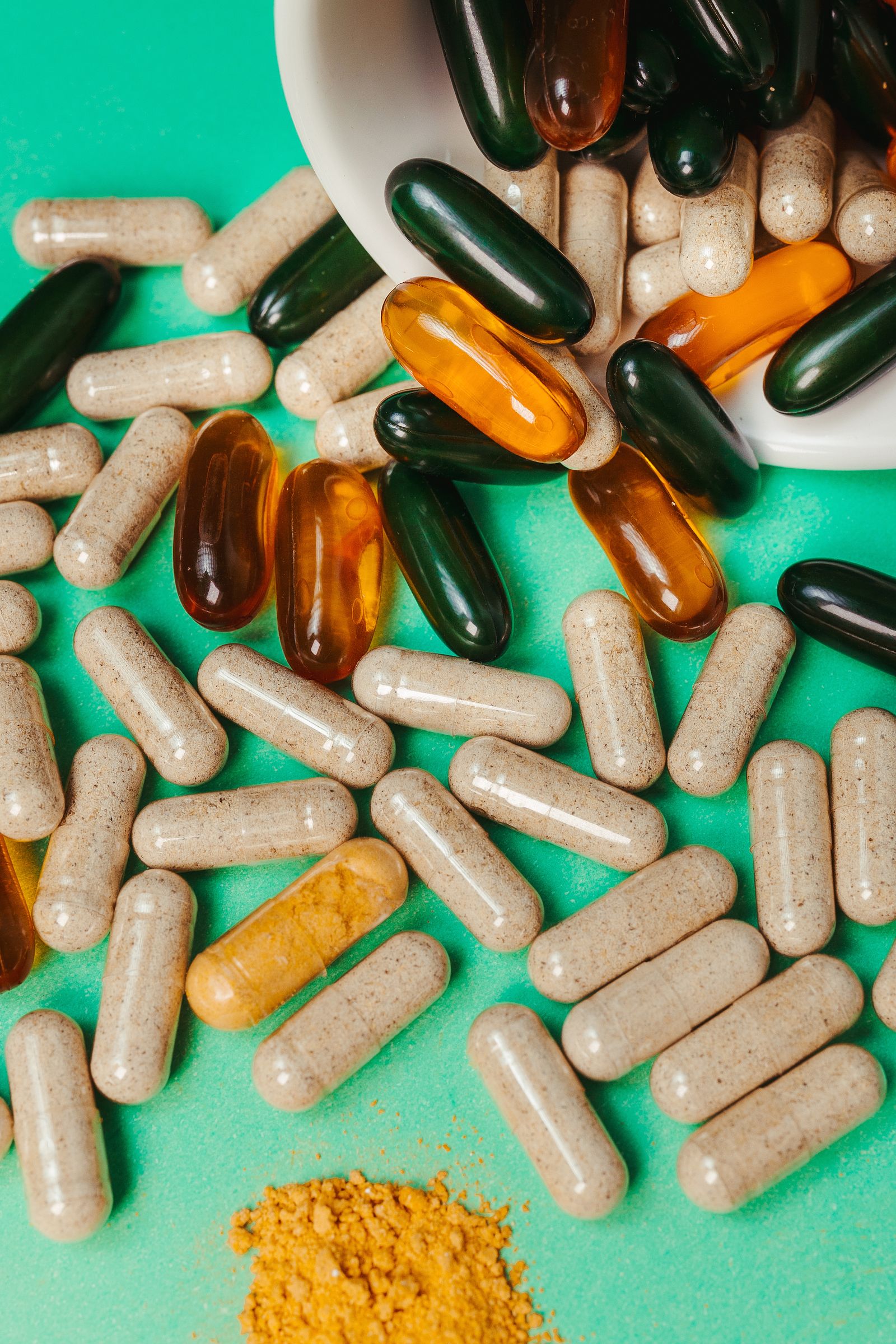
Walk down the senior pet supplement aisle and it's easy to end up buying five different products that mostly overlap, or one that promises to fix everything and actually does very little. Working the shop floor, this is one of the questions I get asked most, and the honest answer is that a few categories earn their place, and a lot of the rest is marketing dressed up as a solution.
The ones with real, consistent support
A handful of supplement categories show up repeatedly in what vets actually recommend, not just what's marketed hardest:
- Omega-3 fatty acids (fish oil): Reasonably solid support for joint comfort, skin and coat quality, and in some research, cognitive support. One of the more broadly useful options for a senior pet without a specific diagnosed condition driving the choice.
- Glucosamine and chondroitin: Covered in more depth in the arthritis article on this site, but worth repeating here: long-term joint support, not a fix for pain that's already present.
- Probiotics: Useful for senior pets with sensitive digestion or those on a new medication that affects gut health, less useful as a blanket addition for a pet with no digestive issues at all.
Where it gets more specific, and less "buy this for every senior pet"
Cognitive-support formulas (often containing antioxidants and medium-chain triglycerides) have real evidence behind them specifically for diagnosed cognitive decline, not as a general "brain health" add-on for a cognitively normal senior pet. The same logic applies to joint-specific and kidney-specific supplements: they're built for a diagnosed condition, and using them without that condition present is mostly just an added cost without a clear benefit.
The marketing problem
A lot of senior pet supplements are formulated to sound comprehensive (a long ingredient list, buzzwords like "vitality" or "longevity") without strong evidence behind most of what's in the bottle. More ingredients on the label isn't the same as more benefit, and in some cases just means more filler and a higher price, not a more effective product.
What actually matters before buying anything
The most useful question isn't "which supplement is best," it's "what is this supplement actually supposed to address, and does my pet have that issue." A joint supplement makes sense for a pet with diagnosed or likely early arthritis. It doesn't make much sense as a blanket purchase for a senior pet with no joint signs at all, where the money might be better spent on something with a clearer purpose.
What I tell customers
Ask what specific problem a supplement is meant to solve before adding it to the routine, and check whether your pet actually has that problem. Omega-3s are reasonable as a general senior addition; most of the rest work best when matched to an actual diagnosed need, not stacked together because the packaging suggests you should.