Why Senior Pets Struggle More With Heat and Cold
By Leonardo Fonseca · 2026-09-22
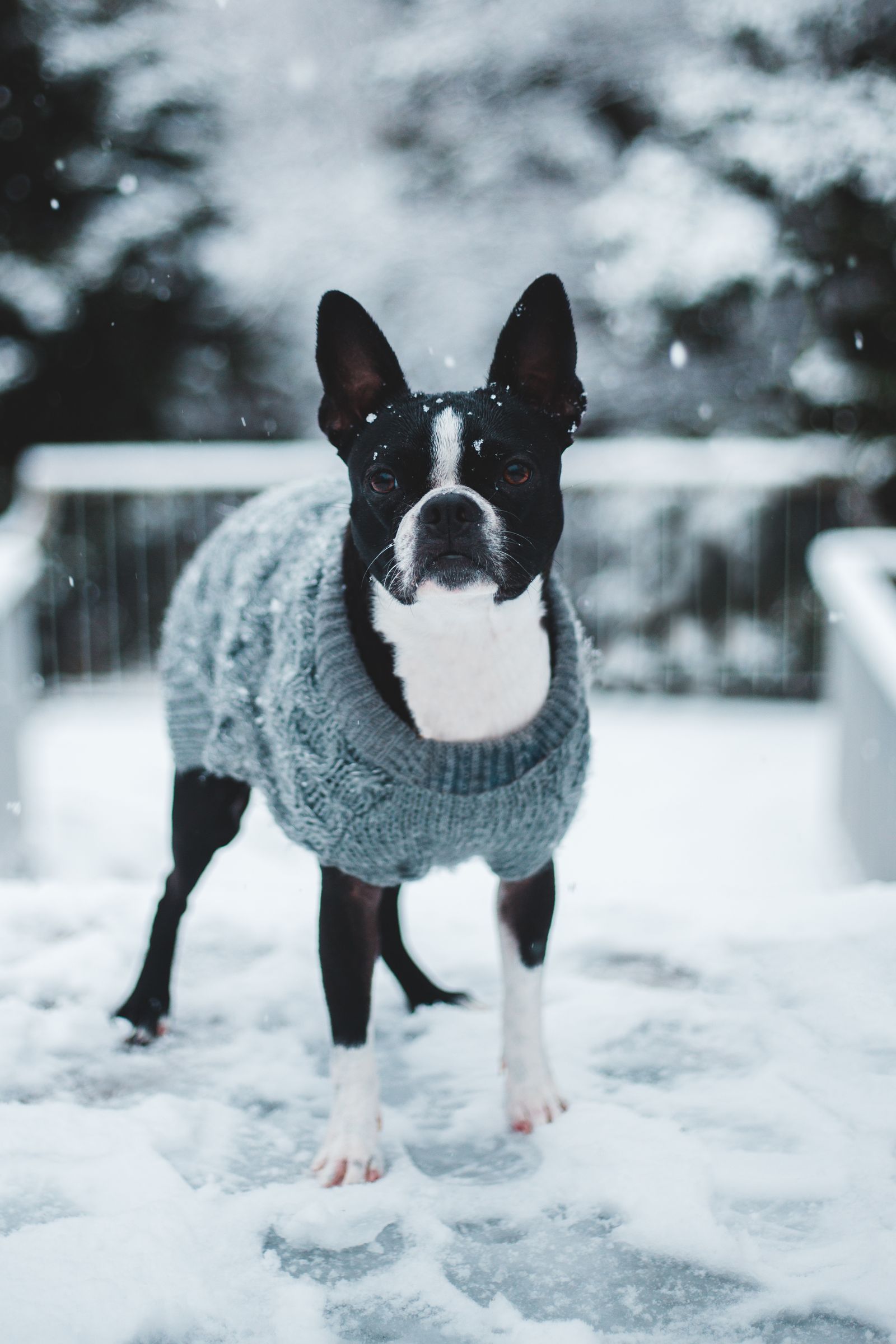
A pet that used to nap comfortably outside on a warm afternoon, or shake off a cold morning without much fuss, can become noticeably less tolerant of both extremes as a senior, sometimes in the same year. Owners often notice one direction (usually cold sensitivity, since it's more visible with shivering) and miss that heat tolerance has dropped too.
Why heat becomes more dangerous with age
Senior pets, especially those with any degree of heart or respiratory change, regulate body temperature less efficiently than they did years earlier. A dog that could handle a warm walk at five years old can overheat faster at twelve, even at a similar temperature and pace, because the underlying capacity to dissipate heat has quietly declined. Overweight senior pets and flat-faced breeds carry extra risk on top of the general age-related decline.
Why cold hits harder too
Less muscle mass and often less body fat mean less natural insulation, and reduced mobility means less opportunity to generate warmth through movement. Arthritis also tends to feel worse in cold weather for a lot of senior pets, which compounds the discomfort beyond just feeling chilly, since stiff joints in cold weather can mean a harder time getting up and moving at all.
Practical adjustments that actually help
For heat: shift walks to cooler parts of the day, provide constant access to shade and water, and watch for excessive panting that doesn't settle quickly, which is a sign to stop and cool down rather than push through. For cold: a properly fitted sweater or coat for short-haired or thin senior dogs on walks, a heated or extra-insulated bed in a draft-free spot, and shorter, more frequent outdoor time rather than one long cold-weather walk.
The overlap with arthritis owners often miss
A senior dog that seems stiffer or more reluctant to move specifically in cold weather isn't imagining it, and it's not separate from the arthritis conversation covered elsewhere on this site, it's the same condition responding to temperature. Adjusting activity timing and adding extra warmth during cold snaps is a legitimate part of managing arthritis, not just a comfort nicety.
What I tell customers
Don't assume a senior pet handles temperature the same way it did five years ago just because it seemed fine last season. Watch both directions, heat and cold, since the same underlying decline in regulation affects tolerance for both, even if one is more visible than the other.