Nail and Paw Care for Less Active Senior Dogs
By Leonardo Fonseca · 2026-09-22
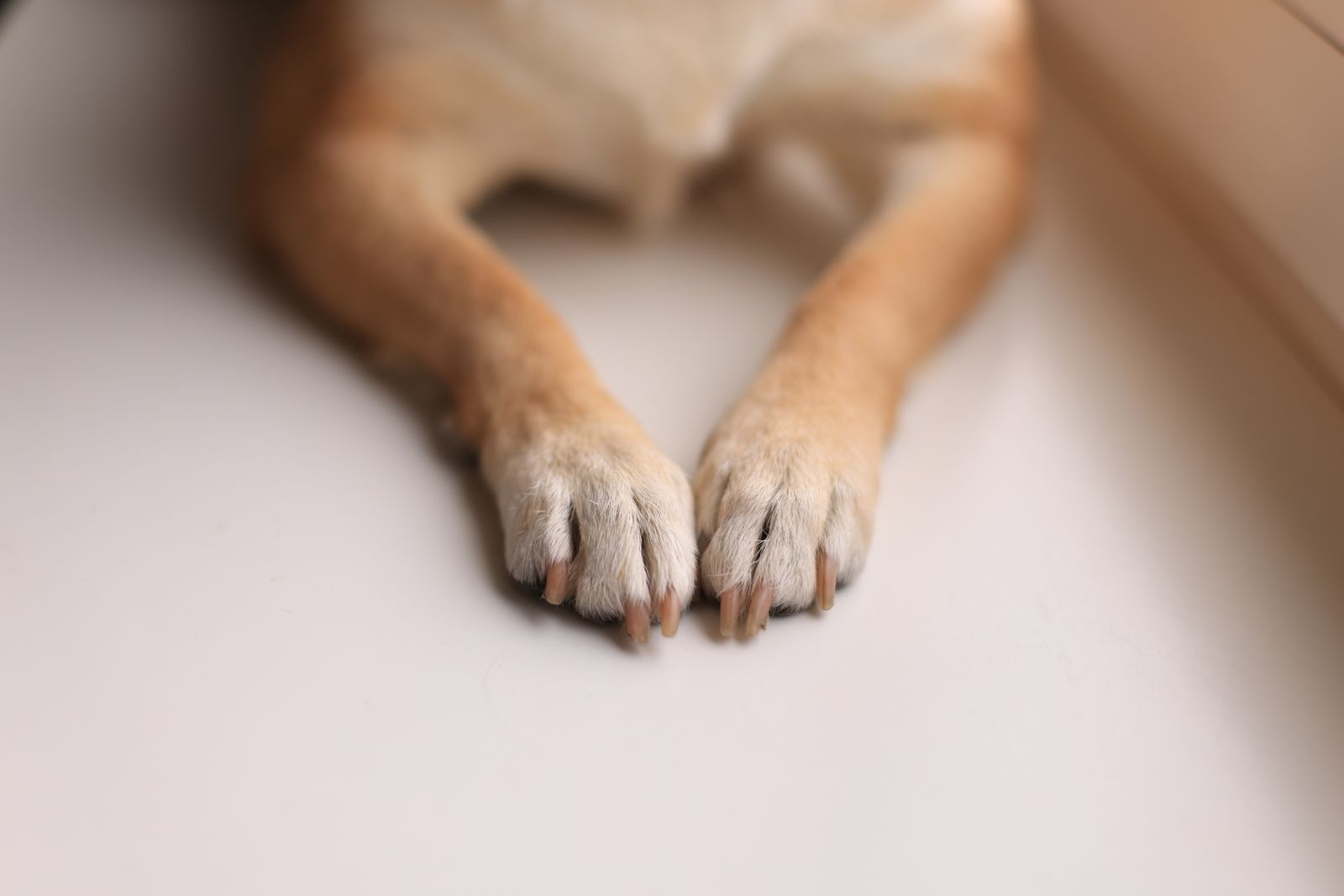
Active dogs wear their nails down naturally on pavement and rough surfaces, which is why a lot of owners never think about nail trims until activity drops in the senior years. Once a dog is walking less, or walking mostly on grass or carpet, that natural wear stops, and nails that were never a problem before start needing real attention.
Why overgrown nails matter more in a senior dog
A long nail changes how a dog's foot contacts the ground, forcing the toe into an unnatural angle with every step. In a young, otherwise healthy dog that's an annoyance. In a senior dog already dealing with joint changes, that altered gait adds strain in exactly the areas already under pressure, hips and lower back especially. Owners sometimes bring in a dog for what looks like new hip pain when overgrown nails are quietly making an existing problem worse.
The dewclaw gets missed constantly
The dewclaw, the nail higher up on the inside of the leg that doesn't touch the ground, never gets natural wear regardless of activity level, and it's the nail most likely to curl into the pad if ignored for long enough. Checking the dewclaw specifically, not just the main nails, is worth doing at every trim, especially since it's easy to overlook if you're only looking at the paw from below.
Trimming a senior dog that's sensitive or resistant
Some senior dogs tolerate nail trims fine their whole life and then suddenly resist, which is often about paw or joint discomfort from having the leg held in position, not the trimming itself. Trimming a small amount at a time over several short sessions, rather than one long session, tends to work better for a dog that's become sensitive. If resistance is new and significant, it's worth mentioning to a vet rather than just pushing through it, since it can point to pain elsewhere in the leg.
Paw pads need attention too
Reduced activity means less natural conditioning of the pads themselves, which can make them more prone to cracking, especially in dry or cold weather. A pet-safe paw balm during dry seasons, and checking pads for cracks or small debris after outdoor time, catches small issues before they turn into a limp that gets misread as a joint problem.
What I tell customers
Check nails and dewclaws monthly once a dog's activity level drops, even if the dog "never needed it before." It's one of the few things in senior dog care that's genuinely quick, cheap, and entirely within an owner's control, and skipping it can quietly worsen a joint problem you're already managing.