How to Help a Senior Pet Drink More Water
By Leonardo Fonseca · 2026-10-01
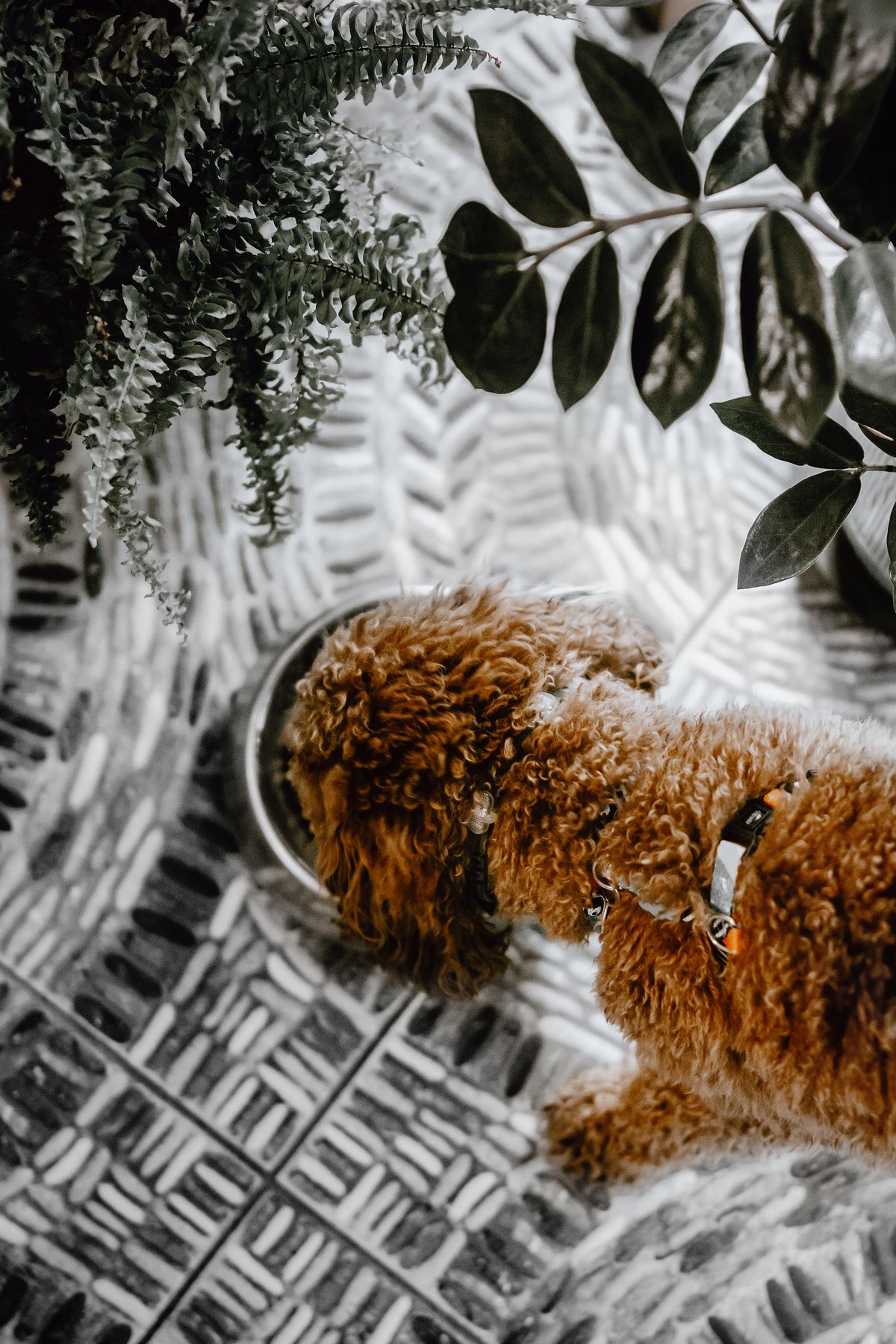
Water is the one part of a senior pet's diet that almost nobody measures. Owners know roughly how much food goes in the bowl, but ask how much the pet drinks and the honest answer is usually "I fill it when it's empty." That's a problem in both directions. A pet drinking too little is easy to miss, and a pet suddenly drinking much more than usual is a signal vets want to hear about. Both start with knowing what normal looks like for your pet.
Why it matters more in older pets
Vets often stress hydration for senior pets because several common age-related conditions, kidney disease in particular, make good water intake more important. Dehydration can also contribute to constipation, which is a frequent complaint in older cats. Cats in general aren't big drinkers by nature, and many get a large part of their water from food, which is why cats fed only dry food are the ones vets most often want to see drinking more.
Bowl placement: more bowls, closer to the pet
The single most effective change I've seen customers make costs almost nothing: more water stations. A pet with stiff joints or reduced energy drinks less if water is far away or up a flight of stairs.
- Put a water bowl on every floor the pet uses
- Keep one near the pet's main resting spot, so drinking doesn't require a trip
- For cats, place water away from the food bowl and the litter box, since many cats prefer it that way
- Avoid busy spots where the pet might be bumped or startled while drinking
Bowl type and cleanliness
Many cats dislike deep, narrow bowls where their whiskers brush the sides. A wide, shallow bowl is often more popular. Ceramic, glass and stainless steel are easy to keep clean and don't hold smells the way some plastics do. Change the water and wash the bowl daily: a bowl with a film on it or stale water is a reason for a picky pet to drink less, and it's an easy fix.
For dogs with neck or back pain, bowl height can matter. A raised bowl suits some dogs and not others, so it's worth asking your vet what fits your dog's condition rather than assuming higher is always better.
Fountains: worth trying, not magic
Some pets, cats especially, drink more from moving water, and a fountain can make a noticeable difference for them. Others ignore it or are bothered by the motor noise. If you try one, keep a regular still bowl available too, at least until you know your pet is using the fountain. Fountains also need their filters changed and their parts cleaned regularly, or they become less appealing than a plain bowl.
Getting more water in through food
Wet food is one of the easiest ways to raise a senior pet's water intake, since a large part of it is water. For pets that eat dry food, adding some warm water to the kibble is a simple option many owners use. Some owners add broth to make water more appealing; if you do, check the label for onion and garlic, which are toxic to pets, and talk to your vet first if your pet has heart or kidney disease, since sodium matters for those conditions. Any significant change to a senior pet's diet is worth running past the vet, especially when a medical condition is already being managed.
How to actually measure what your pet drinks
You don't need anything special. For a few days, fill the bowl from a measuring jug in the morning, and the next morning measure what's left. Do it for a few days in a row, since intake changes with weather and activity. If you have more than one pet sharing bowls, the number covers all of them, but it still gives you a baseline to compare against later. Write it down. A baseline taken while the pet is well is what makes a later change visible.
When thirst itself is the warning sign
Owners tend to worry about pets drinking too little, but vets are just as interested in pets that start drinking a lot more than usual. Increased thirst, often along with more urination, can be an early sign of conditions such as kidney disease, diabetes, thyroid problems in cats, or hormonal disorders in dogs. If you notice your pet emptying bowls faster, drinking from unusual places like sinks or toilets, or needing to go out much more often, call your vet. Bring your measurements if you have them, since a number is far more useful than an impression.
The opposite matters too: a pet that suddenly drinks much less, especially alongside eating less, vomiting or lethargy, should be seen promptly rather than watched for days.
What I tell customers
Make water easy to reach, keep it fresh, and offer more than one way to get it, including wet food when it suits the pet. Then measure intake for a few days while your pet is healthy, so you know what normal looks like. If that number changes noticeably in either direction, your vet will want to hear about it.