Signs Your Senior Dog Is in Joint Pain (And What Actually Helps)
By Leonardo Fonseca · 2026-09-20
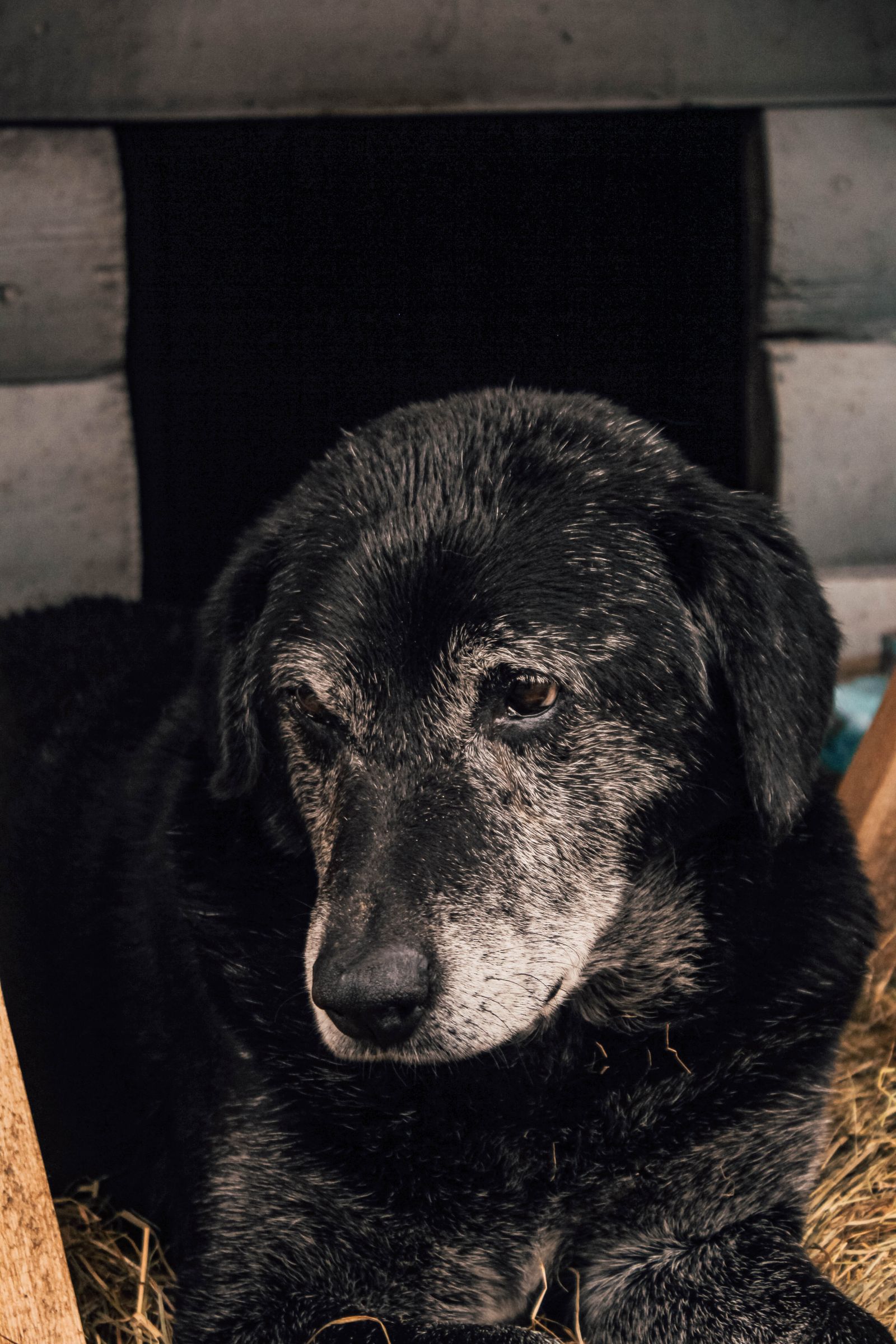
By the time most owners bring a senior dog in for "slowing down," the joint pain has usually been building for months. Dogs are good at hiding it: it's a survival instinct, not stubbornness. The signs are there earlier than people think; they're just easy to write off as "just getting older."
The early signs that get missed
Limping is the obvious one, and it's rarely the first sign. Before a dog limps, there are usually three things worth watching for, in a specific order: hesitation before jumping onto furniture or into the car, slower descent on stairs compared to ascent, and a shift from lying flat on the side to curling up tighter. That third one surprises owners every time: a dog protecting a sore hip or shoulder tends to keep weight off the joint even while resting, which changes how it sleeps before it changes how it walks.
Another one worth watching: does your dog still greet you at the door the same way? A dog that used to bound over and now walks over with a slight sway in the back end is often compensating for hip or lower back discomfort, not just being "lazier" with age.
Three approaches owners try, and how they actually compare
When a dog is diagnosed with early joint pain (most often arthritis), owners tend to reach for one of three things first. Here's how they actually stack up, not as a sales pitch for any of them:
- Joint supplements (glucosamine/chondroitin, omega-3s): Reasonable as a long-term supportive measure, weak as a standalone fix once pain is already present. They can slow progression in early-stage cases but won't meaningfully reduce pain that's already affecting gait. Most vets treat them as a baseline, not a treatment.
- NSAIDs prescribed by a vet: This is what actually changes day-to-day comfort in moderate-to-advanced cases. The tradeoff is that they require bloodwork monitoring (kidney and liver values) every 6 months, which is the part owners tend to skip once the dog "seems better." Skipping that monitoring is the actual risk with NSAIDs, not the drug itself.
- Weight management: Underrated and often the highest-leverage change available. A dog carrying even 10-15% excess body weight puts meaningfully more load on already-compromised joints. I've seen this repeatedly with customers at the shop: weight loss alone has produced visible gait improvement in dogs that owners assumed needed medication first.
The combination that tends to work best isn't any single one of these; it's weight management plus vet-guided pain control, with supplements as a long-term add-on rather than the primary plan.
What doesn't help as much as people expect
Rest, specifically full rest, is one of the more common mistakes. A dog with arthritis that stops moving entirely tends to stiffen up faster, not slower. Controlled, low-impact movement (short flat walks, avoiding stairs and jumping) keeps the joint from stiffening while limiting damage. The goal is different activity, not less activity.
When to actually see a vet, not just watch and wait
If you're seeing hesitation before jumping, a change in sleeping position, or any reluctance on stairs that's lasted more than two weeks, that's the window to get an exam and, if needed, X-rays, not after a limp shows up. Catching it at the hesitation stage gives more treatment options and usually means slower progression.