Skin Lumps and Bumps in Senior Pets: What's Usually Fine and What Isn't
By Leonardo Fonseca · 2026-09-22
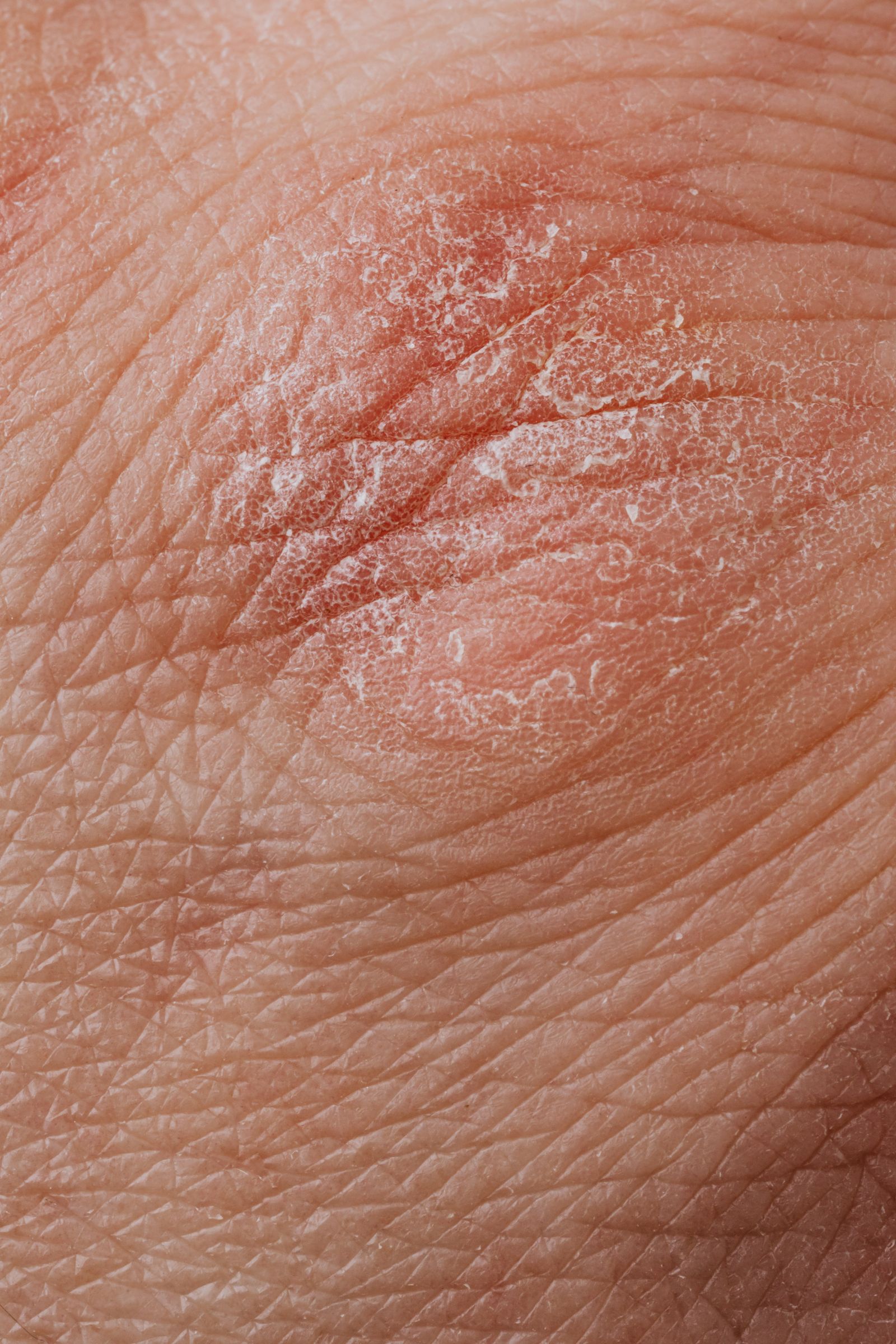
Finding a new lump while petting a senior dog or cat triggers real worry, and understandably so. The reassuring fact worth knowing upfront is that most new lumps in senior pets turn out to be benign. That doesn't mean every lump can be safely ignored, but it does mean panic isn't the useful response either.
Lipomas: the most common benign lump
Fatty tumors, called lipomas, are extremely common in senior dogs specifically, soft, usually moveable under the skin, slow-growing, and typically not painful. They're common enough that many vets can identify a classic lipoma by feel with reasonable confidence, though a needle aspiration (a quick, low-discomfort test pulling a small cell sample) is the only way to actually confirm it rather than assume.
What actually raises concern
Certain characteristics shift a lump from "probably fine" to "get it checked soon" rather than "watch it": firm rather than soft texture, attached to underlying tissue rather than moving freely under the skin, rapid growth over weeks rather than months, ulceration or bleeding, or a lump that seems to bother the pet when touched. None of these confirm anything on their own, but any of them is reason to move up the timeline rather than wait for the next routine visit.
Why "just watch it" is sometimes the wrong instinct
Waiting to see if a lump changes is a reasonable approach for some lumps and a real risk for others, and the difference isn't something an owner can reliably judge by eye. A needle aspiration is quick, inexpensive relative to the alternative, and removes the guessing. The pattern I see most at the shop is owners waiting months on a lump that turned out to need attention sooner, specifically because it looked and felt "the same" as a harmless lump they'd seen before on a different pet.
Tracking lumps at home between visits
For lumps a vet has already checked and deemed low concern, tracking size with an actual measurement (calipers or even a piece of string measured against a ruler) rather than a general impression catches real growth earlier than memory does. Noting the location on a simple body diagram helps too, since multiple small lumps are easy to lose track of individually over time.
What I tell customers
Any new lump on a senior pet gets a vet check, even if you're fairly sure it's "probably nothing." The check itself is quick, and a needle aspiration for a lump that turns out to be a harmless lipoma still gives you a confirmed answer instead of an assumption you're carrying around for months.