Cognitive Decline in Senior Cats: A Less-Talked-About Version of a Familiar Problem
By Leonardo Fonseca · 2026-09-22
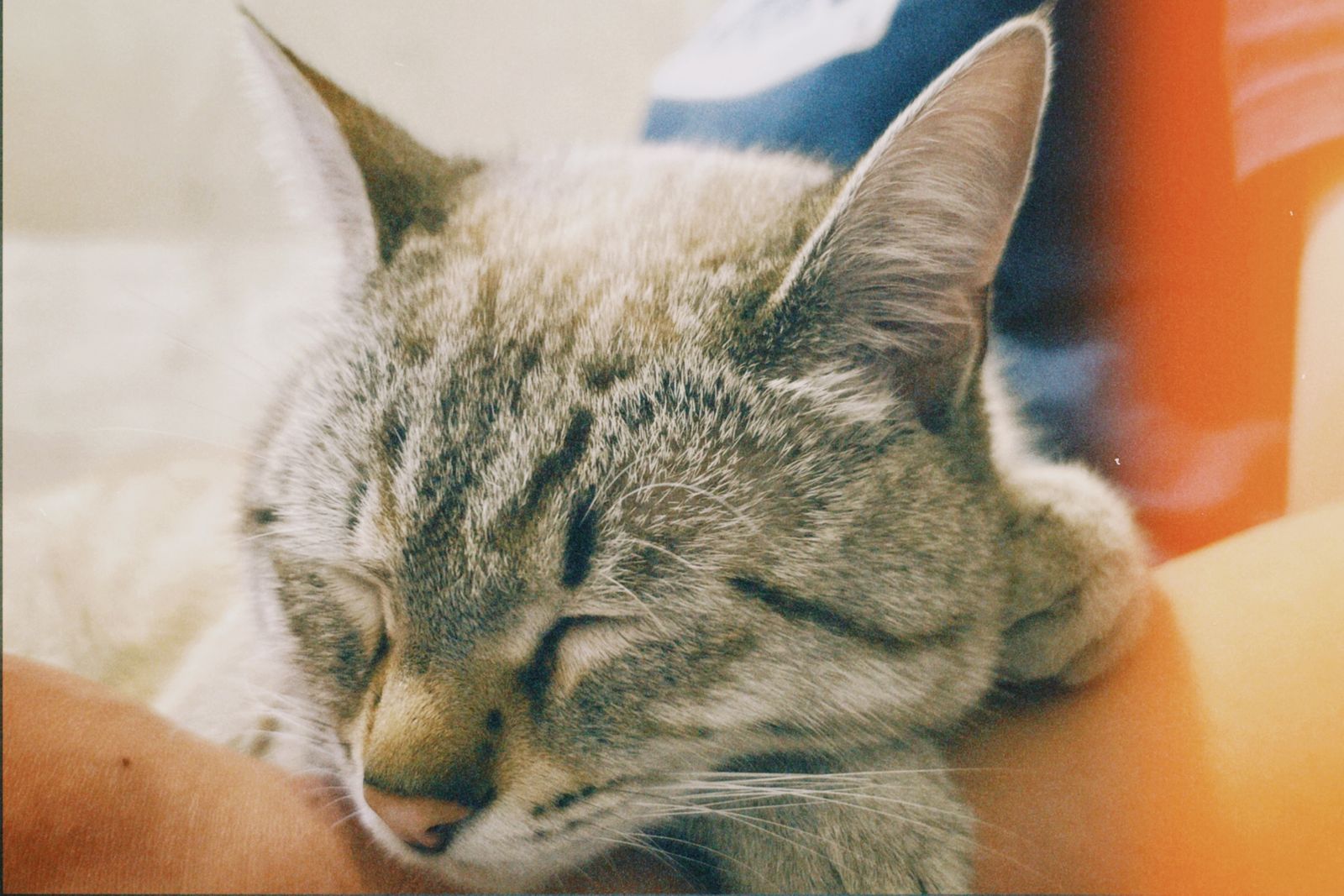
Feline cognitive dysfunction doesn't get nearly the attention canine cognitive dysfunction does, partly because cats show it differently and owners are less likely to recognize the pattern. A cat that starts yowling at night or seems lost in a familiar room gets chalked up to "cats being weird" far more often than a dog showing the same kind of disorientation.
How it tends to show up differently than in dogs
Nighttime vocalization, loud, sometimes distressed-sounding yowling, especially after the household has gone to bed, is one of the more distinctive signs in cats and is less commonly the lead symptom in dogs. Other signs overlap with the canine version: disorientation in familiar spaces, changes in the sleep-wake cycle, reduced interest in interaction or play, and house-soiling outside a previously reliable litter box habit.
Why it gets missed or misattributed
A lot of these signs have other common explanations in senior cats specifically, which is part of why cognitive dysfunction is underdiagnosed. Nighttime yowling can also come from hyperthyroidism or high blood pressure. Litter box changes can come from arthritis making the box harder to access, or from a urinary issue. This overlap is exactly why a vet visit that actually tests for these other causes matters, rather than assuming "senility" as a default explanation.
What actually helps, once other causes are ruled out
The same general approach that helps dogs applies to cats, adjusted for how cats actually engage: environmental enrichment through food puzzles and varied resting spots, consistent daily routine (cats lean on predictability more than owners often realize), and in some cases prescription diets or medication aimed specifically at cognitive support. Making sure litter boxes are easy to access, more of them, lower sides, closer to where the cat spends time, addresses both a possible mobility issue and a disorientation issue at once.
What I tell customers
Don't dismiss nighttime yowling or a sudden litter box change as "just being a cat" once a cat is a senior. Get the more common physical causes ruled out first with your vet, and if cognitive dysfunction is what's left, know that it's manageable with the right environment, even though it gets talked about far less than the same condition in dogs.