Setting Up the Litter Box for a Senior Cat
By Leonardo Fonseca · 2026-10-01
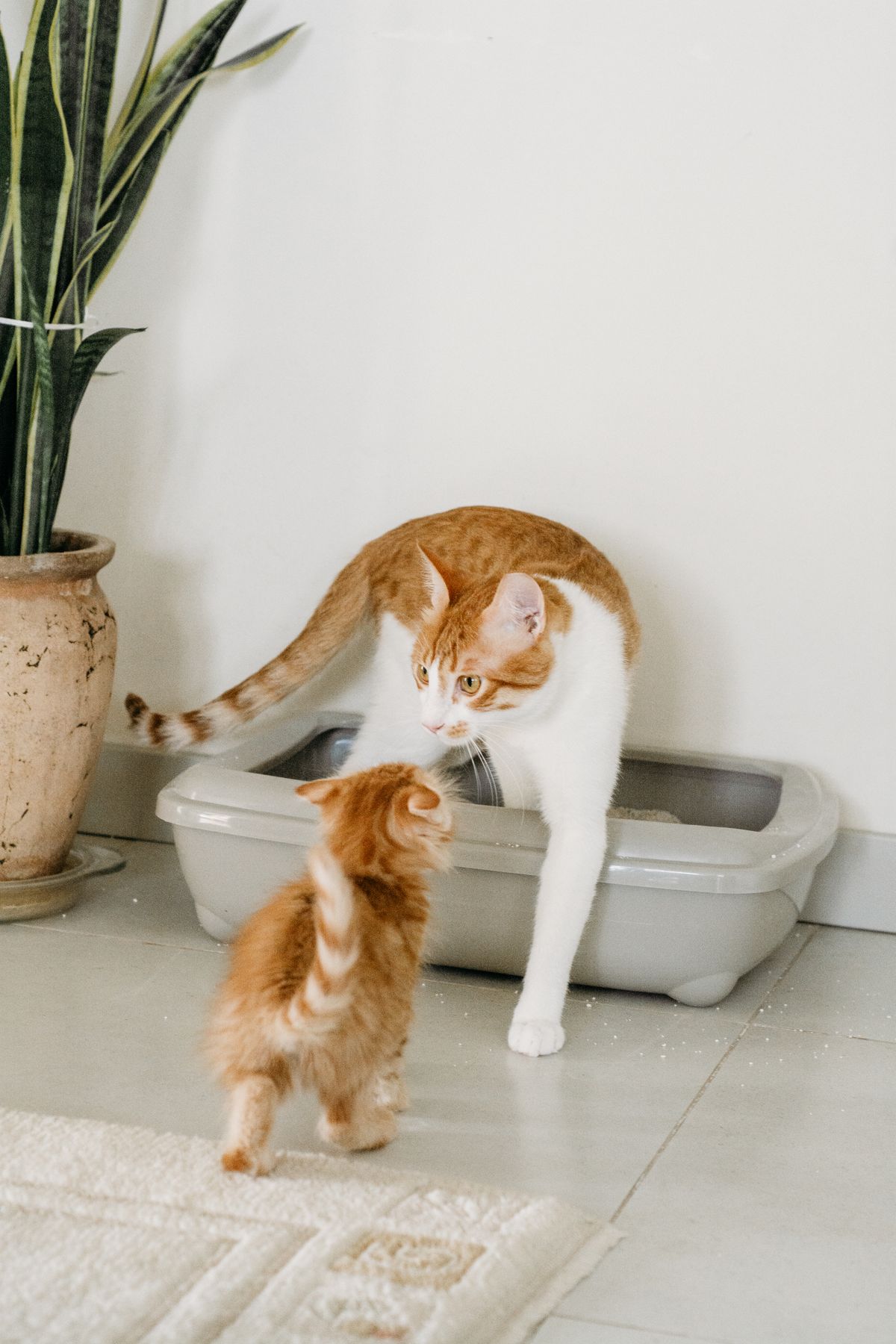
"She's started going next to the box instead of in it" is something I hear often from owners of older cats, usually with a mix of frustration and worry. The first assumption tends to be behavioral, sometimes spite. In my experience, and in what vets tell the owners who come back to the shop, the cause is more often physical: a medical issue, or a litter box that no longer suits the cat using it. The medical side belongs to the vet. The box itself is something you can fix at home.
Rule out medical causes first
Before changing anything, have the cat seen. Vets want to know about changes in litter box habits in senior cats because they can be linked to urinary problems, kidney disease, diabetes, thyroid disease, constipation or arthritis pain. Changing the box while an untreated condition continues only solves part of the problem. The setup changes below work best alongside a vet visit, not instead of one.
The rim is often the real obstacle
A standard litter box has a rim the cat has to step over, and a cat with stiff hips or knees may find that step uncomfortable enough to avoid it. Cats are good at hiding pain, so the first sign is often a cat that goes right next to the box, which is the cat telling you it wanted to use the box but didn't want to climb in.
Low-entry boxes solve this. If you can't find one in the right size, a large plastic storage bin with a low doorway cut into one side works well and gives more room than most commercial boxes. Sand down the cut edge so it's smooth.
Covered boxes and small boxes
Hooded boxes keep litter in and smell down, which is why owners like them. For an older cat, though, they mean ducking through a small opening and crouching under a low roof, which can be awkward for stiff joints. A bigger, open box gives the cat room to turn around and settle into a comfortable position. If smell or scattered litter is the concern, a box with high sides and one low entry point is a reasonable middle ground.
Location: closer and easier to reach
A box in the basement or at the far end of the house was fine when the cat was young. For an older cat, stairs and long distances add up, especially at night. A few placement rules help:
- Have at least one box on every floor the cat uses, so no trip requires stairs
- Put a box near where the cat spends most of its day, not where it's most convenient for people
- Keep boxes away from noisy appliances and busy doorways where the cat might be startled
- Add a small nightlight nearby for cats with declining eyesight
- Make sure the path to the box isn't blocked by furniture, closed doors or other pets
Litter choice for sore paws
Some litters are hard on older paws. Large pellets and coarse crystals can be uncomfortable for a cat with sensitive feet or arthritis in the toes. A soft, fine, unscented clumping litter tends to be the most comfortable. Strong scents may appeal to people but can put cats off the box.
If you change litter, don't swap it all at once. Set up a second box with the new litter next to the old one and let the cat choose. Cats that are already having a hard time with the box don't need another sudden change.
Scooping is also monitoring
Scooping at least daily keeps the box appealing, and it also gives you useful information. Noticing that there are more urine clumps than usual, much larger clumps, or changes in stool is exactly the kind of detail vets ask about, because increased urination is a common early sign of several conditions in senior cats. You don't need to interpret it yourself. You just need to notice it and mention it, ideally with a rough idea of when the change started.
A quick checklist for the setup
- Low entry, or a cut-down storage bin, with a smooth edge
- Open top or a single wide entry, with enough room to turn around
- Soft, unscented, fine-grained litter
- One box per floor, close to where the cat rests
- Nightlight nearby and a clear path to reach it
- Scooped daily, with any change in output noted for the vet
What I tell customers
Never punish an older cat for going outside the box. It's almost always communicating something: pain, illness, or a setup that no longer works for its body. Get the vet visit done, then make the box easy to reach, easy to step into and comfortable to stand in. Most of the time, a cat that has a box it can comfortably use goes back to using it.