What to Actually Feed a Senior Cat With Early Kidney Concerns
By Leonardo Fonseca · 2026-09-20
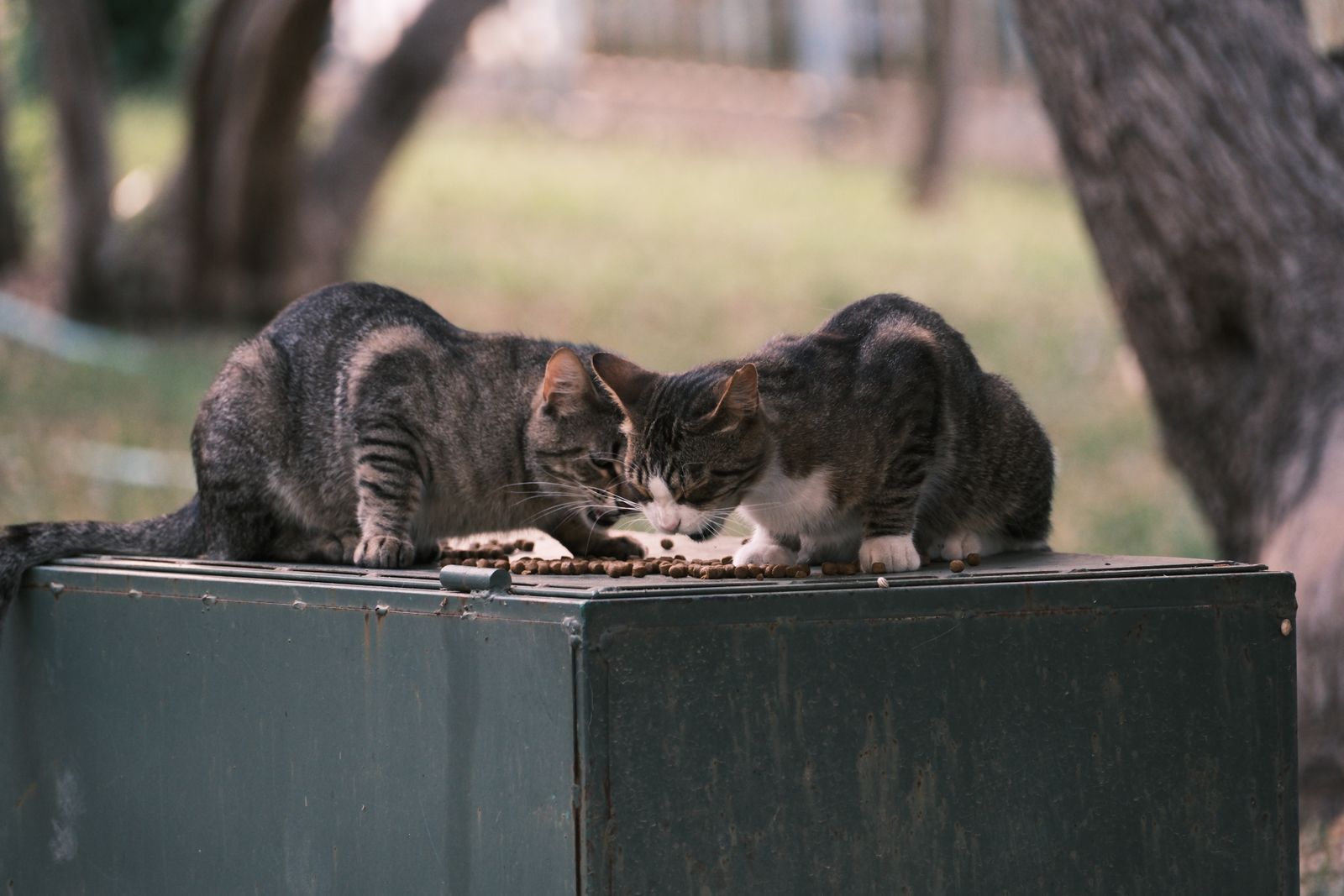
Chronic kidney disease (CKD) shows up in a large share of cats past age 10, and it's usually caught on routine bloodwork before there are obvious symptoms. Once a diagnosis comes back, even an early-stage one, diet is the first thing most owners ask about, and it's also where I see the most outdated advice circulating at the shop.
The protein question, answered properly
The old advice was blanket "low protein" for any cat with kidney concerns. That's outdated. What actually matters is protein quality, not just quantity: highly digestible, high-quality protein produces less waste for the kidneys to filter than lower-quality protein at the same gram amount. Cutting protein too aggressively in an early-stage cat can lead to muscle loss, which is its own serious problem in senior cats and can actually worsen overall prognosis.
In practice, vets recommend having the protein conversation with bloodwork in hand, specifically SDMA and creatinine trends over time, not a single reading. A cat at IRIS Stage 1 doesn't need the same diet as a cat at Stage 3, and treating them the same is a common mistake I see even among well-meaning owners who read one article and applied it regardless of stage.
Phosphorus is the part that gets skipped
Protein gets all the attention, but phosphorus restriction is arguably more directly tied to slowing CKD progression in cats, based on how the disease mechanism works: elevated phosphorus contributes to further kidney damage in a feedback loop. This is exactly why prescription renal diets are formulated the way they are: not lower protein for its own sake, but controlled phosphorus alongside adjusted, quality protein.
Prescription renal diet vs. "kidney-friendly" commercial food
This is where I see owners get misled by packaging. A commercial food labeled "urinary" or "senior" is not the same as a formulated renal diet, and the phosphorus levels are usually not comparable. If a cat has a confirmed CKD diagnosis, a therapeutic renal diet (prescribed, not just purchased off a shelf) is the appropriate comparison point, not a general senior formula. The tradeoff owners weigh here is real: renal diets are often less palatable, and a cat that won't eat the "perfect" diet is worse off than one eating an imperfect diet consistently. Getting a reluctant cat to actually eat matters more than diet purity.
Hydration matters as much as the food itself
Wet food over dry when possible, and in many cases, supplemental water: this isn't a minor tip, it's a real lever. Cats with CKD lose concentrating ability in the kidneys, meaning they need more water intake to compensate, and most cats are chronically under-hydrated even before a CKD diagnosis. A cat eating an appropriate renal diet but staying on dry food only is leaving a meaningful part of the management plan on the table.
What I tell customers
Get the diagnosis staged properly with your vet first (bloodwork plus urinalysis, ideally a blood pressure check too), then come back and we can talk through food options based on that stage, not based on a general "kidney disease" search. And prioritize consistent eating over a theoretically perfect diet the cat refuses. A good plan a cat will actually follow beats a perfect plan it won't.